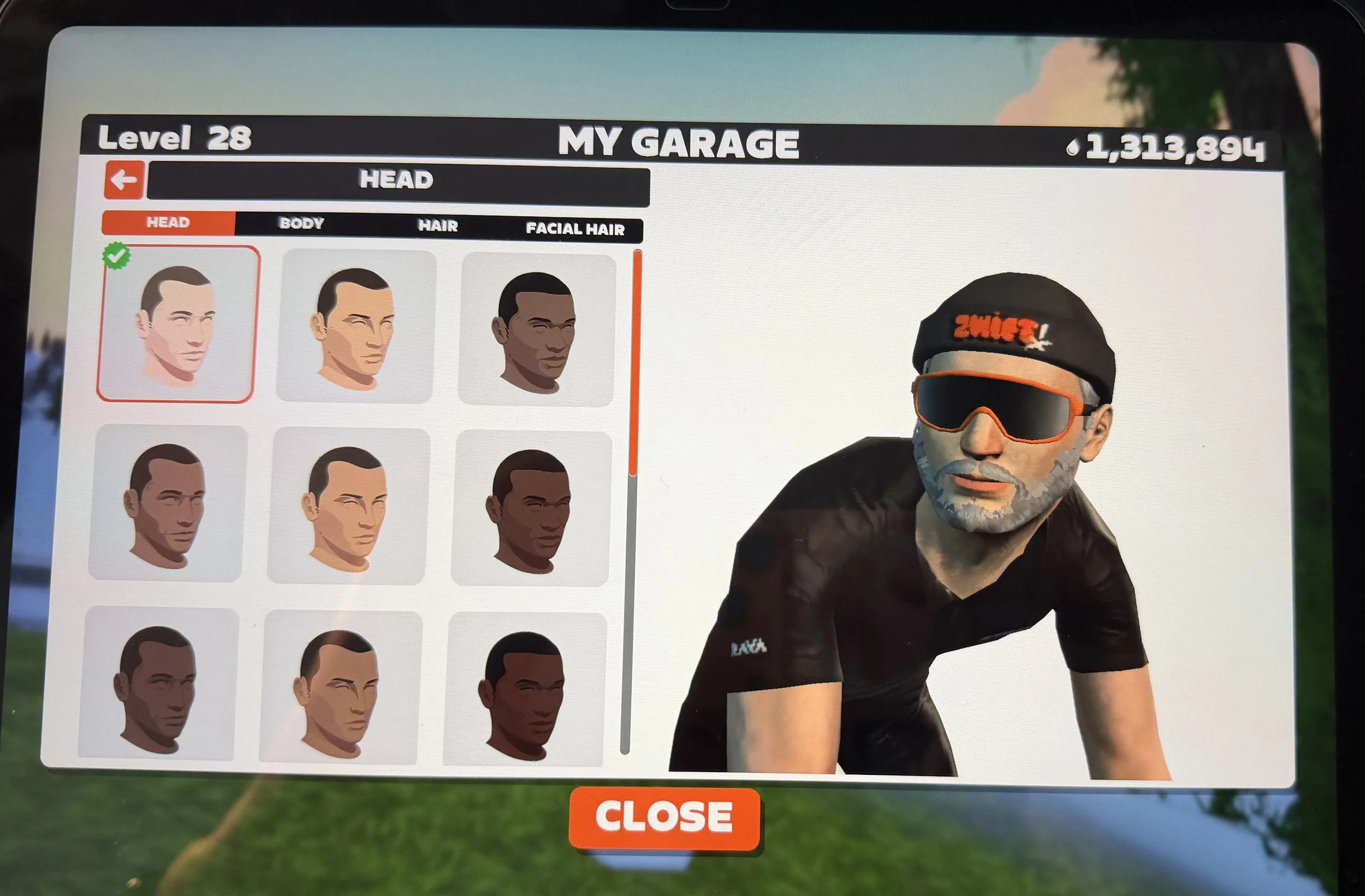
When Your Training Gets Smarter, But You Don't
That's my Zwift avatar. Every session uploads to Strava where AI analyses my performance. I'm getting fitter. More efficient. But am I developing better judgment as a cyclist? Or just following better instructions? This question matters more than we think.
Fill Your Own Tank First
How much time are you spending on your own energy and wellbeing? You can't guide, support, or challenge effectively when you're bringing stress and mental noise into every interaction. Here's why filling your own tank first isn't selfish - it's foundational.
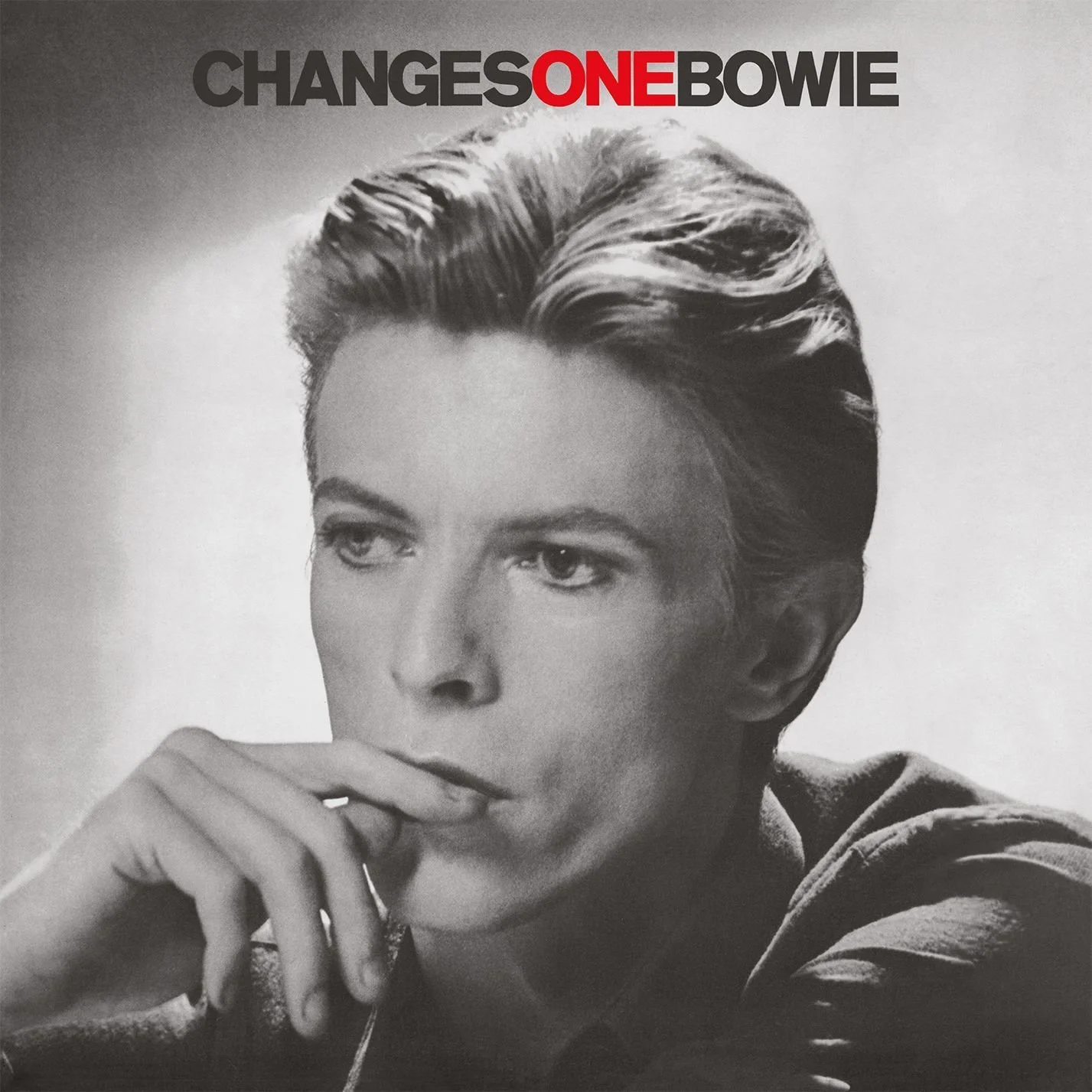
Turn and Face the Strange
Why did Bowie and Prince resonate so much at age 12?
Because they showed me that reinvention isn't about abandoning who you are - it's about allowing yourself to evolve into who you're becoming.
The same principle applies to leadership transitions.
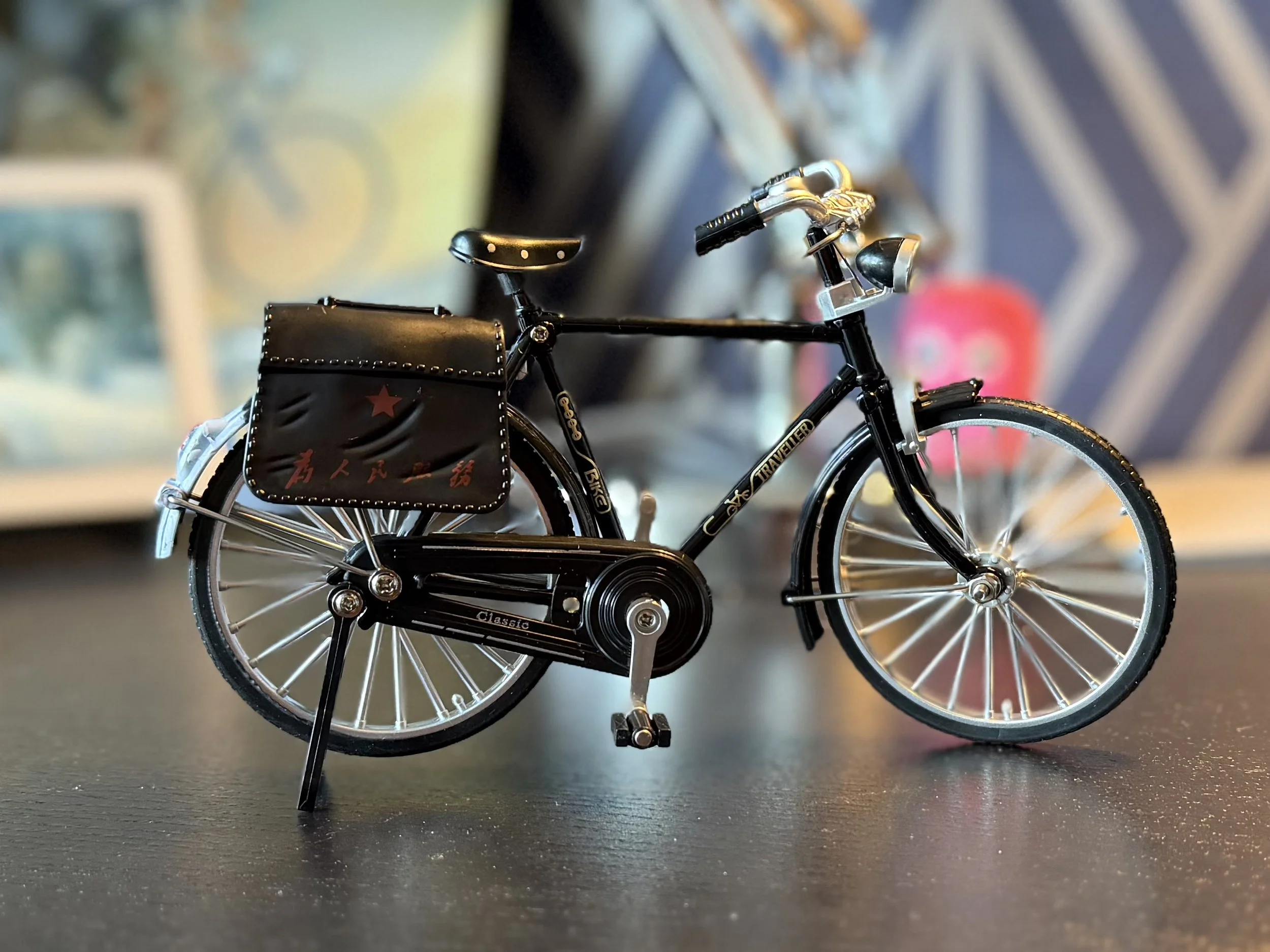
Instructions not Included
Over Christmas, I got a model bicycle as a table gift. I was genuinely excited until I opened it and found dozens of pieces with no instructions. What I needed wasn't coaching - it was clear instruction. But that's not always what's needed. Here's how to know the difference.
What Drives Progress? People or Technology?
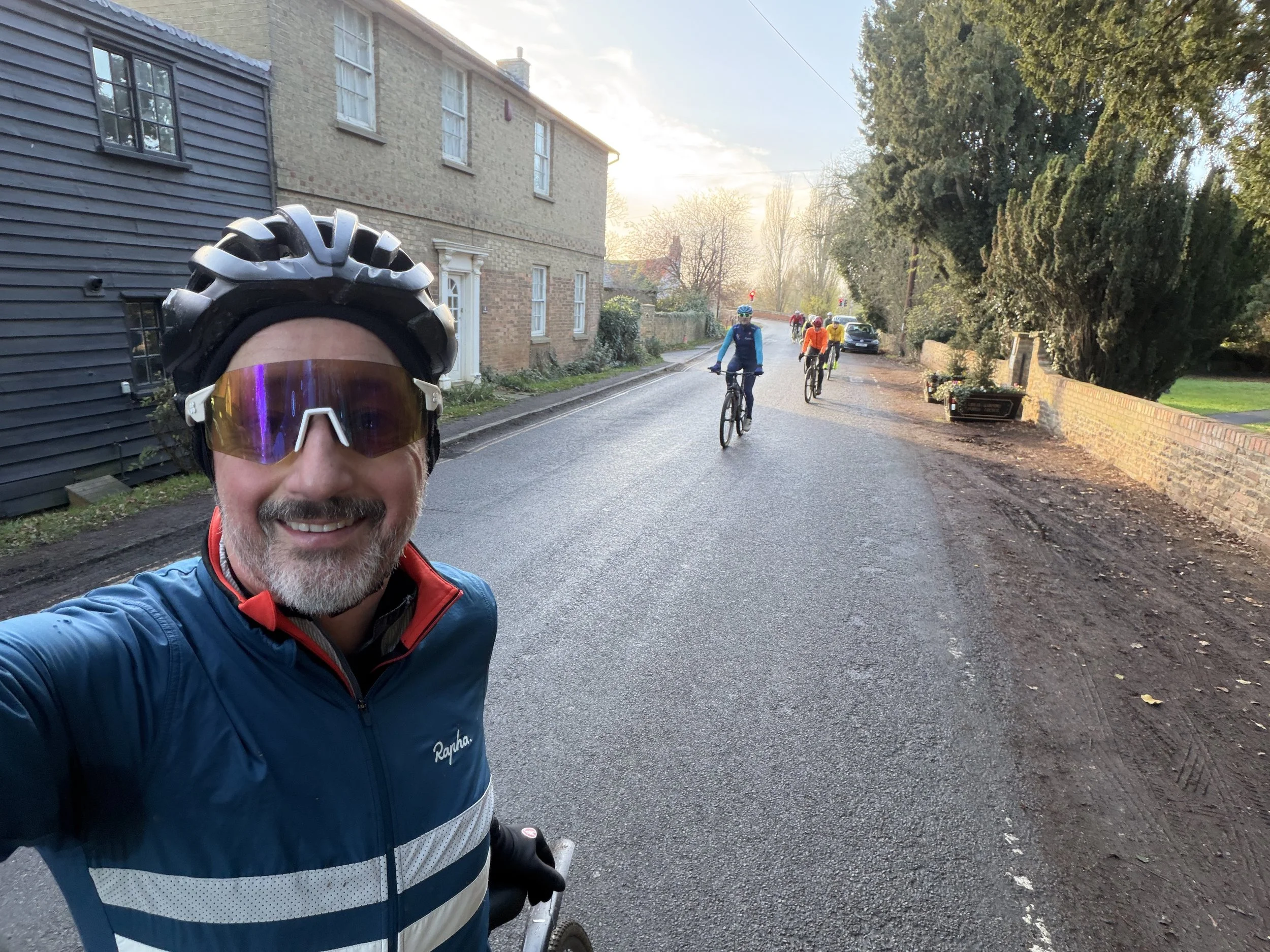
Eddie Merckx versus Tadej Pogačar. The numbers say 18% improvement. The reality? Only 2% once you account for technology. For leaders obsessing over AI, the lesson is clear: connection beats tools every time.
When the Wobbles Hit
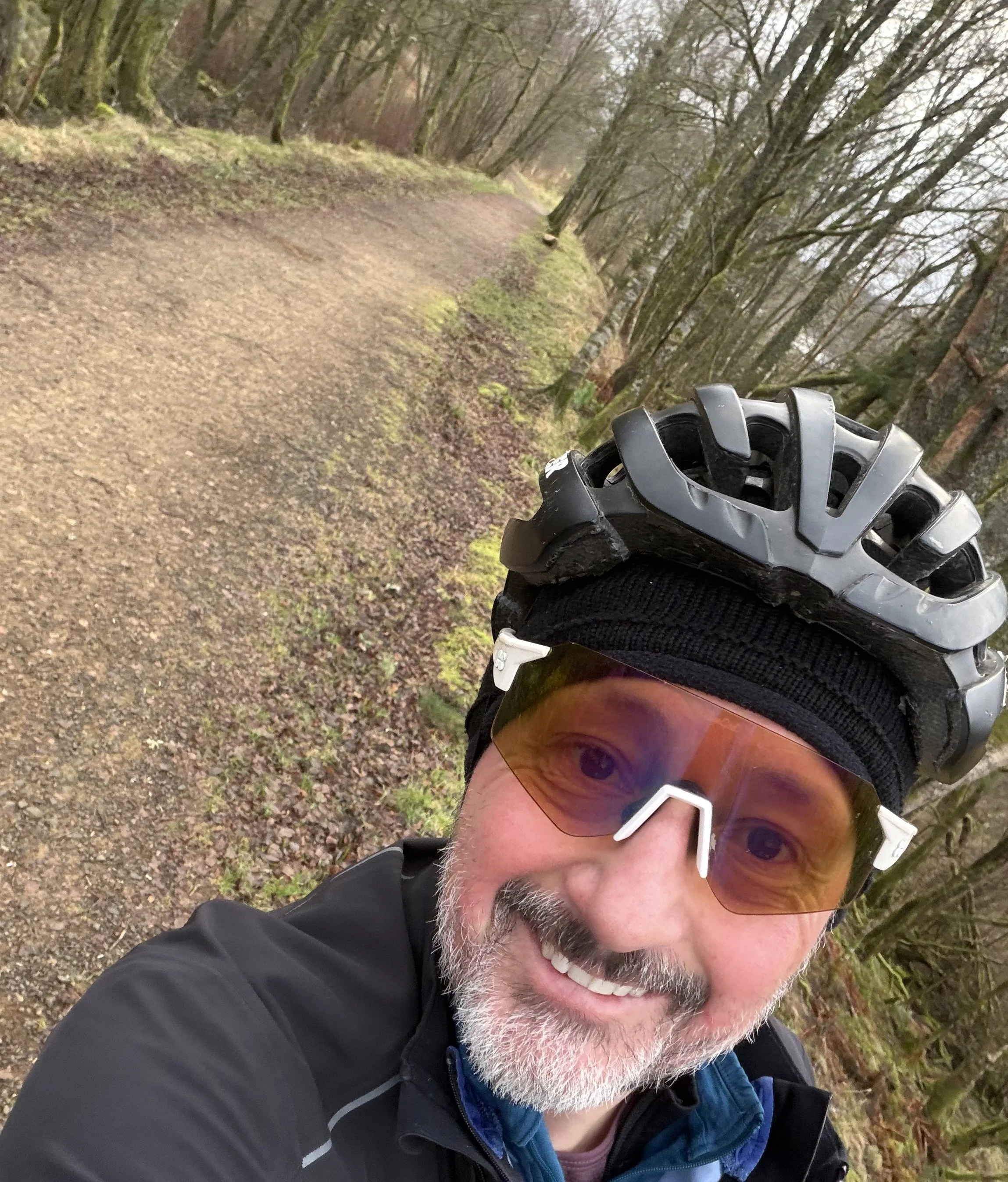
I'll be honest. I had a wobble over Christmas. You know the kind - the one that creeps in when you're supposed to be relaxing, when you've got time to look at the spreadsheet and notice next quarter looks thin. All the old demons started kicking in. Maybe that's it. Maybe that's all the work I'm going to get. Wobble after wobble after wobble. So I did what I'd tell any client to do: I changed my perspective. Literally. I grabbed my gravel bike and headed out into the forests around Kielder Water. That ride reminded me what I needed to know: perspective shifts don't come from sitting with the spreadsheet. They come from stepping away and remembering what you know to be true.

When "I've Tried Everything" Really Means You're Stuck
Saturday morning. Six miles into our long run with the club, one of the runners shared her frustration: "I can't get under 4:00 hours, whatever I do. I've tried everything. I'm stuck."
Two days earlier, I'd heard almost the exact same words from a Director navigating a career transition: "I keep being passed over for promotion. It's just not fair. I've tried everything. I'm stuck."
Whether I'm coaching runners or senior leaders, I hear these three lines again and again: I keep missing my goals. I've tried everything. I'm stuck.
Here's what I've learned: when someone says "I've tried everything," they usually mean "I've tried everything I can see from where I'm standing." Being stuck isn't about lack of effort - it's about lack of perspective. The answer isn't working harder. It's seeing differently.

Three Questions Worth Asking
It's a cold January morning, and I'm reflecting on my first full year focused on Taggart People.
Three simple questions from the world of cycling have me thinking about what 2025 taught me, what I'm after in 2026, and how I'll get there. What are you carrying forward into the new year?

Small Moments Before Christmas
Last week I got a tattoo of a cyclist climbing Mont Ventoux. The irony? The tattoo celebrating my favourite pastime is the thing currently stopping me doing it.
As we head into the last weekend before Christmas, it got me thinking about the gap between what we want to be doing and what we find ourselves doing instead - and how we might find happiness in the constraints.
Going Back to Move Forward
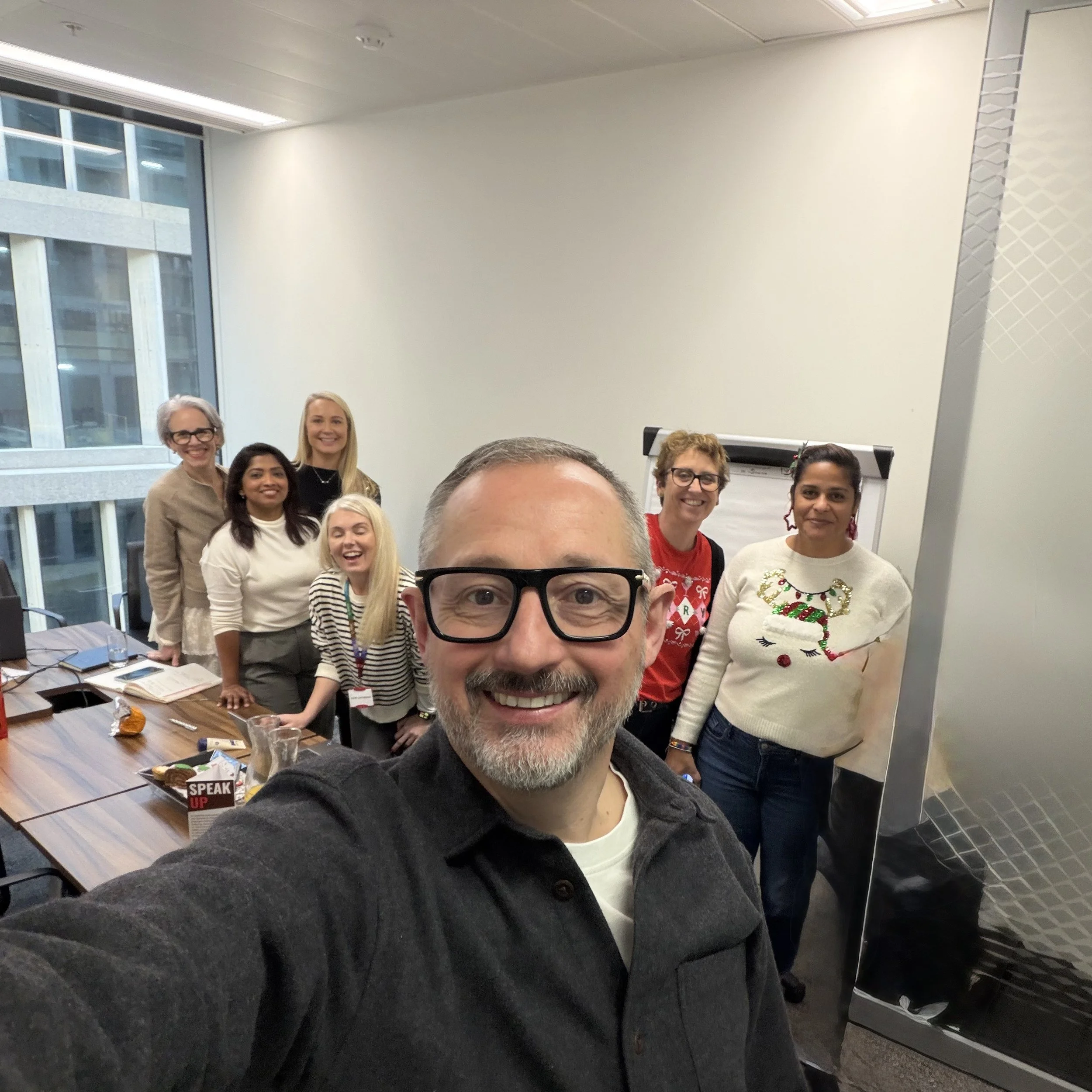
There's something unusual about going back to an organisation you've left. Yesterday I facilitated a workshop with a team I used to lead - helping them move from a group of talented individuals to something more powerful together. Here's what shifted when we created space to talk about what they felt, not just what they thought.
The Small Things That Actually Matter
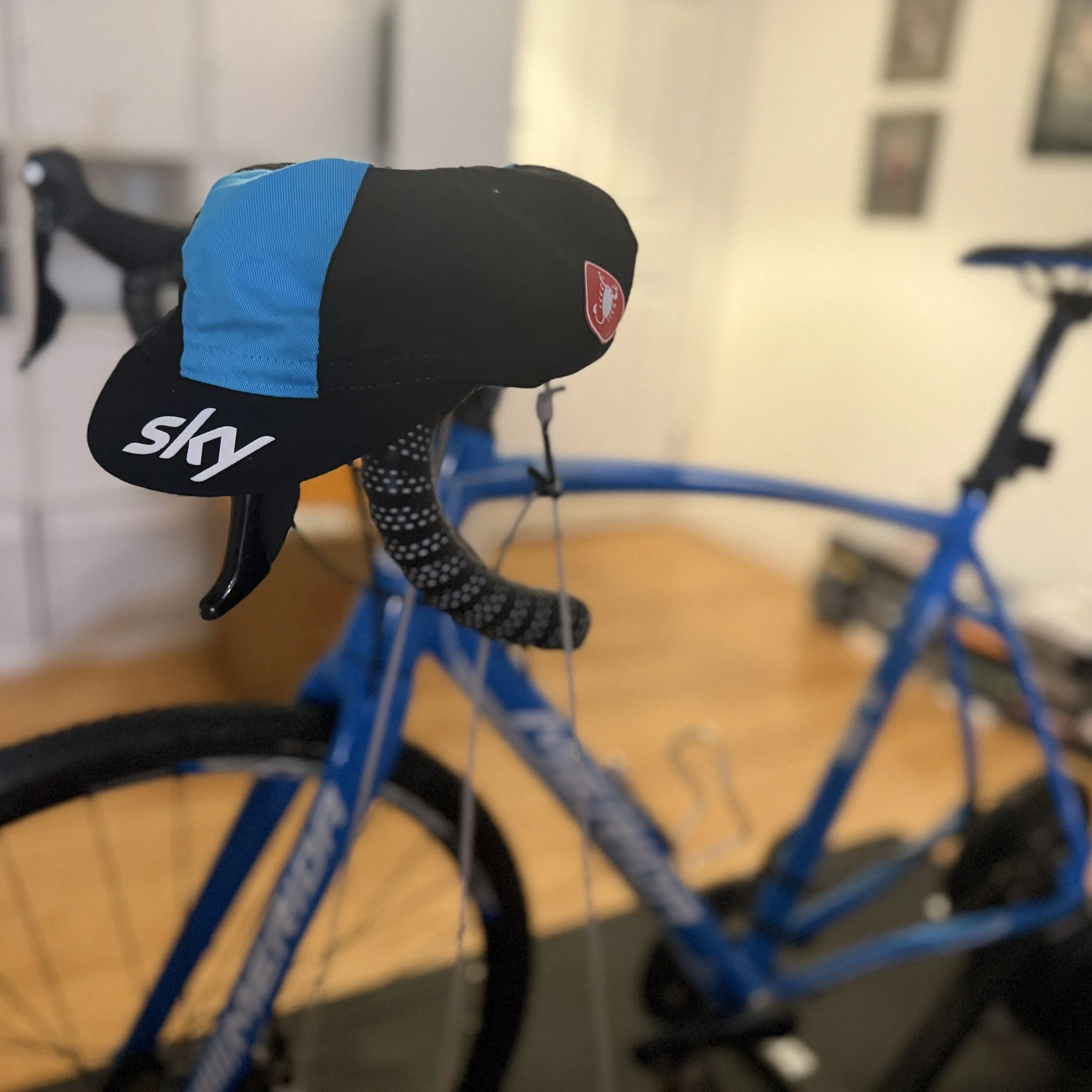
Dave Brailsford's "marginal gains" transformed British Cycling. But in leadership, we've borrowed the language without always taking the practice. The real marginal gains aren't the big strategic pivots or inspiring speeches. They're the small, unglamorous, every-single-day moments: the morning check-in with yourself, actually listening to people, asking questions that give them space to think. What are your leadership rhythms that compound into real change?
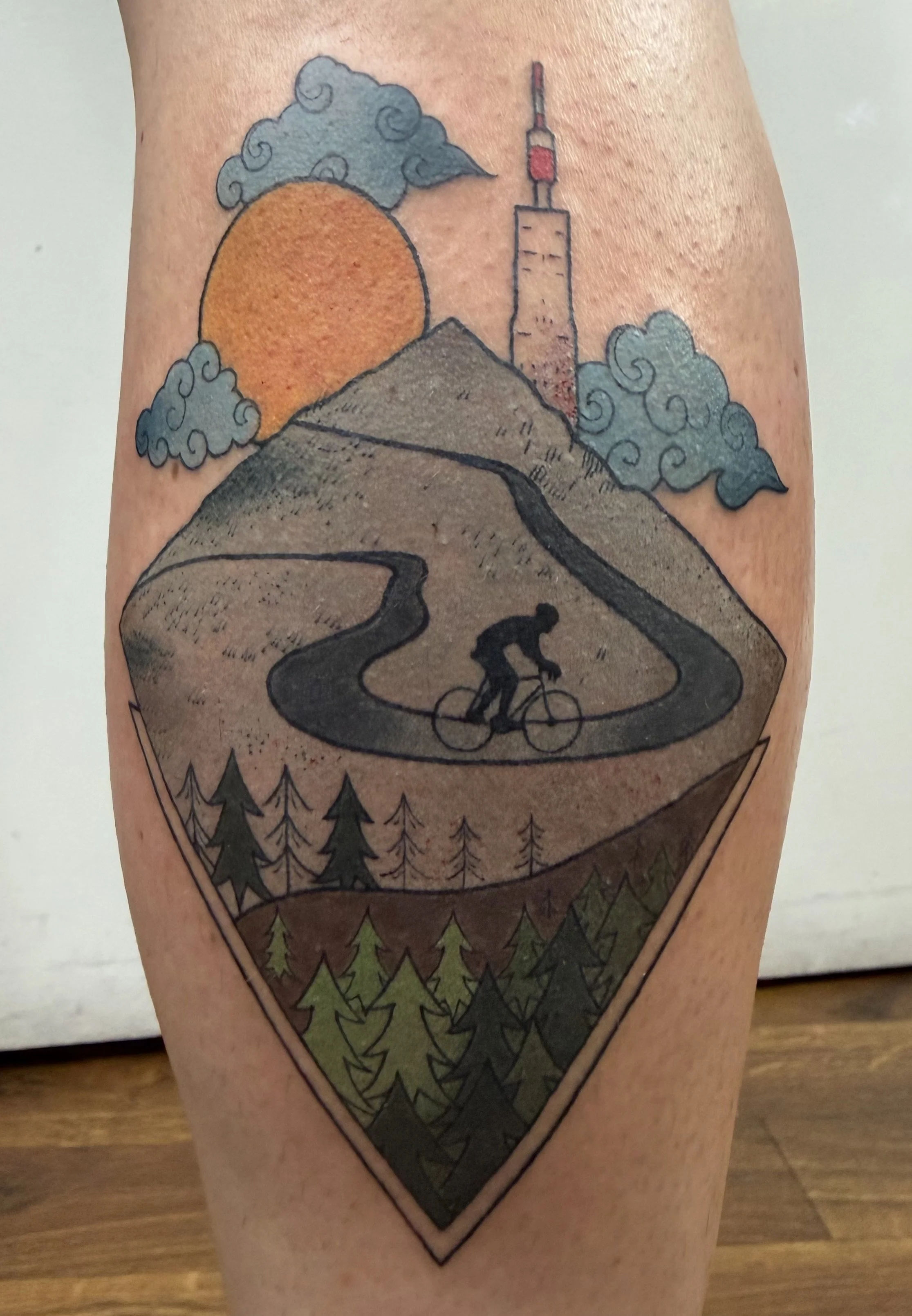
What Mont Ventoux Taught Me About Leadership…
I got a tattoo this week. Four and a half hours in the chair, and yes, it hurt. But the pain wasn't the point. The story was.
It's Mont Ventoux - the climb that nearly broke me, and the moment I understood something crucial about leadership that 25 years in corporate life never taught me.
When you're halfway up a mountain in 35-degree heat, legs screaming, lungs burning, there's no corporate theatre. Just you, the road, and a choice: keep going or quit.
If you're a senior leader right now - carrying the weight whilst everyone looks to you for clarity, navigating change you didn't ask for, expected to have answers you're still figuring out - you know exactly what that feels like.
Here's what I learned on that mountain about reading the conditions, leading from different positions, and why the strongest leaders don't climb alone. Sometimes the best leadership insights don't come from business school. They come from knowing what it takes to get to the summit.
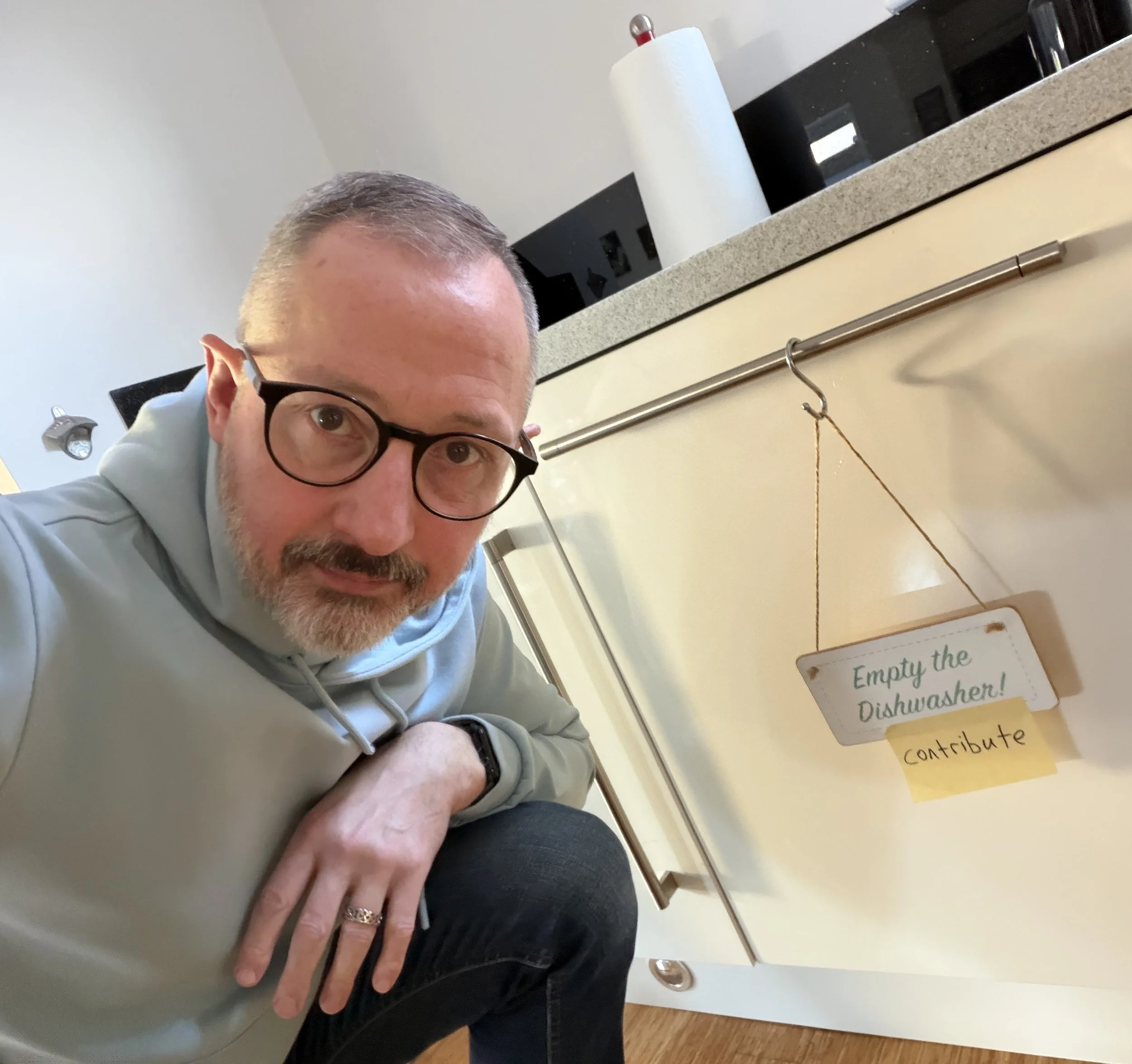
Be kind to yourself - and others
I'm kneeling by my dishwasher, pointing at a passive-aggressive note I've stuck to the door. Here I am, helping senior leaders navigate difficult conversations all day, and yet I've defaulted to post-it notes rather than an actual conversation with my adult children.
We're all a mishmash of contradictions - and that's probably fine.

Leadership Transitions: a pattern that repeats
From first-time manager to C-suite executive, leadership transitions follow remarkably similar patterns. The mindset shifts look different at each level, but the fundamental challenge remains the same: you're moving into a world where the rules you knew no longer quite apply. The question isn't whether you need support through this transition - it's what kind of support you actually need.

Helping Adults Become Better Adults
"I help adults become better adults." A phrase borrowed from Andrew Shorter at JLR that captures exactly what leadership development is really about.
Not fixing broken people - just helping us all become better at handling complexity, understanding ourselves, and leading others.
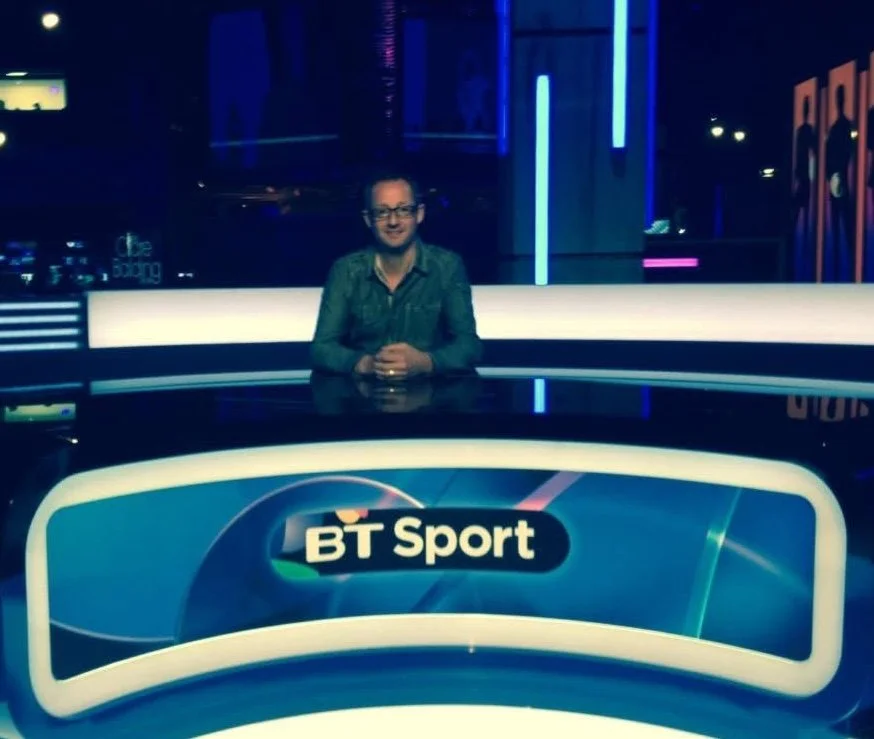
What I Wanted to Be When I Grew Up
What happens when the career you thought you'd have doesn't match the one you're living?
A personal reflection on drifting, finding home, and why the gap between who we thought we'd be and who we are might just be information we can use.
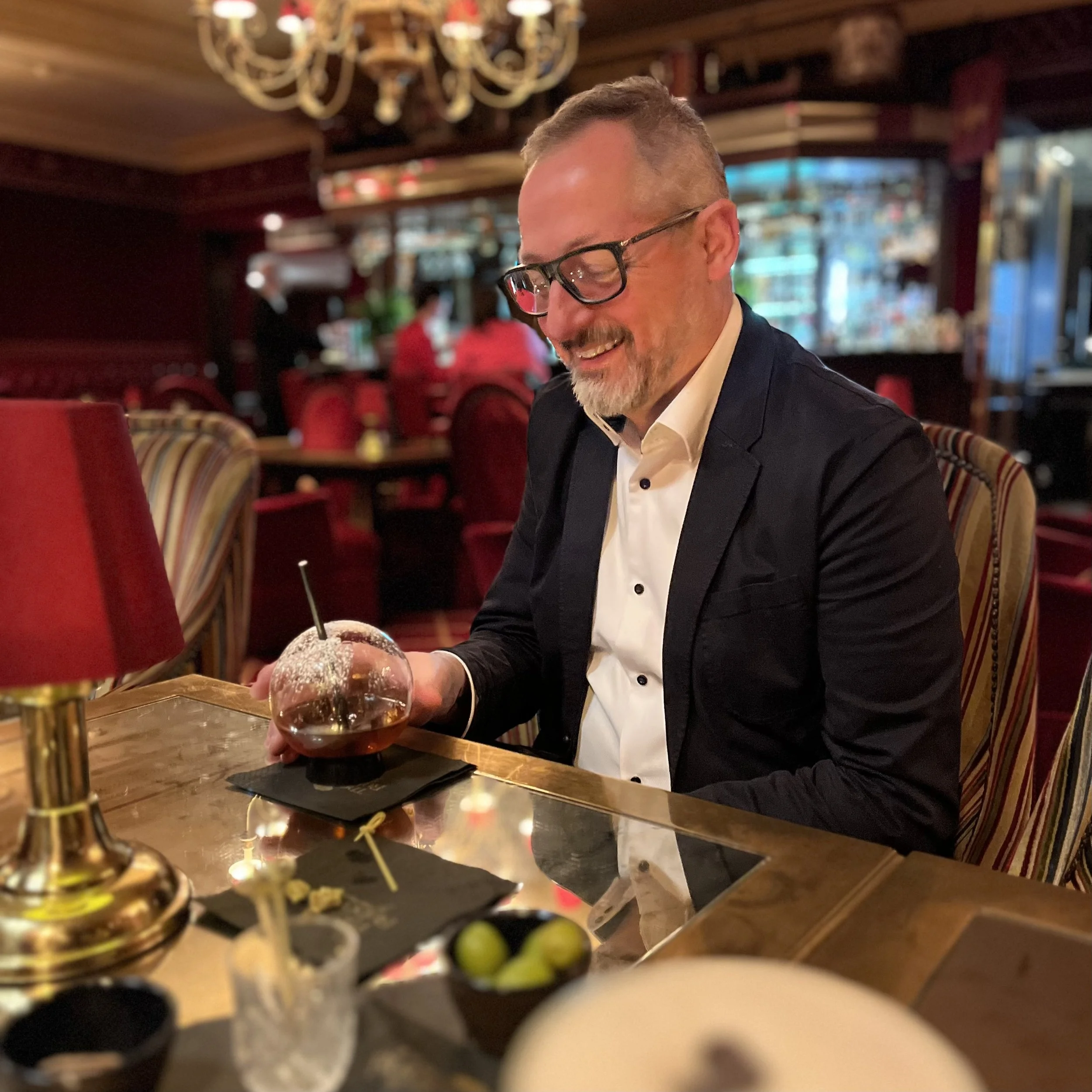
What's in a picture?
Am I happy or sad in this picture? The real answer is both. This was taken days before I left a job I loved, restructured out and no longer needed. We are complex people - we can carry sadness whilst enjoying the moment. If you're navigating your own transition and feeling torn between where you are and where you're going, let's talk about what support you need.
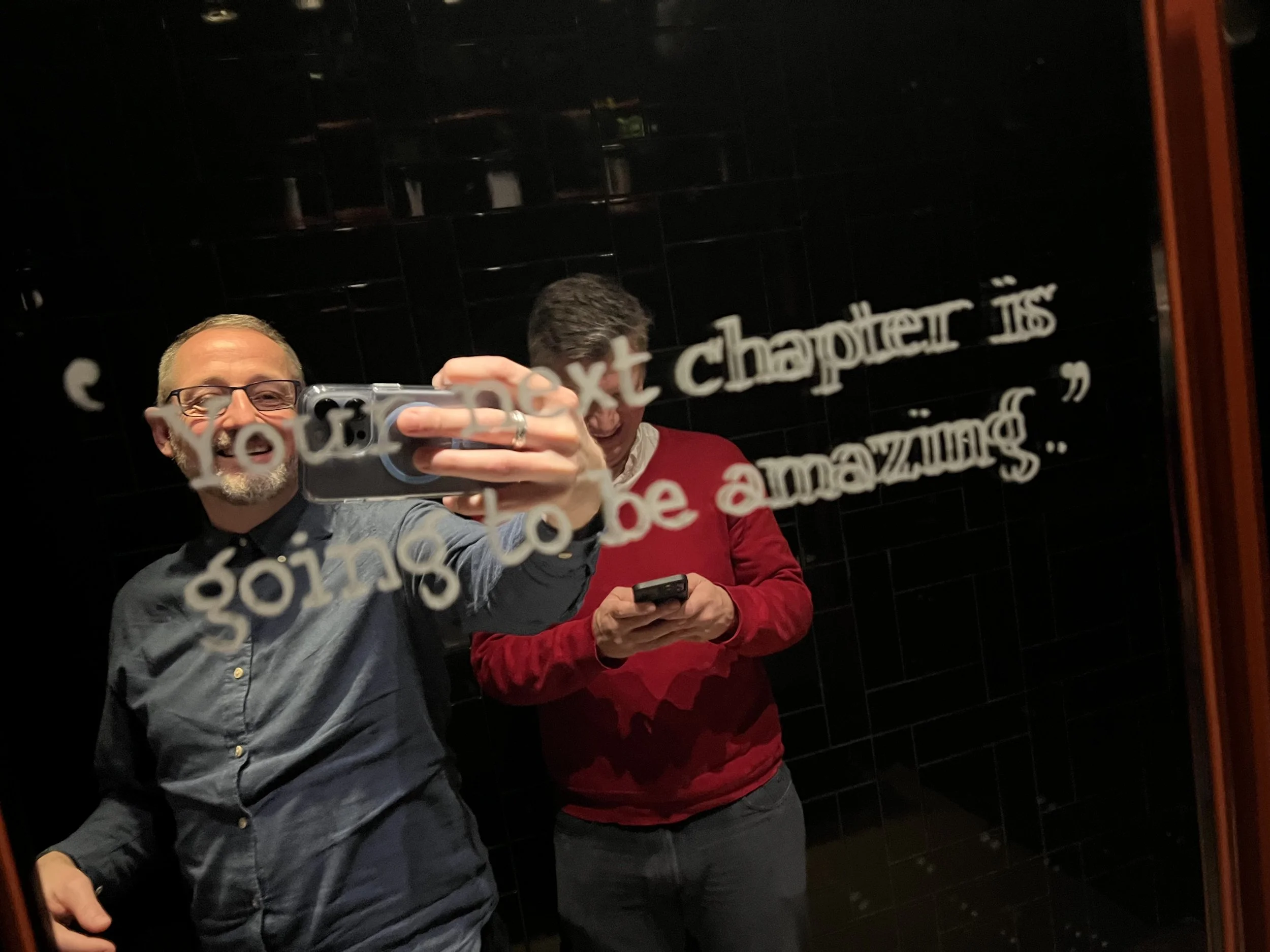
When the Person Everyone Turns to Has Nowhere to Turn
For senior leaders who are brilliant at helping others find clarity but struggling with their own next step. A reflection on the questions that helped me navigate career transition – and might help you too.

It's Really Easy to Lose Touch
Connecting with people is my thing. I often say it's my 'superpower'. But you can't force it.
After leaving my last role 11 months ago, I'm reflecting on how easy it is to lose touch with people who mattered.

The worst teams lead organisations.
The worst teams lead organisations. And then they pay consultants and coaches to sort it out. While individual executives may be brilliant, as teams they often fall short. Research identifies three recurring patterns: the Shark Tank (hyper-competitive and political), the Petting Zoo (conflict-avoidant and complacent), and Mediocrity (lacking capability and looking backwards). But there are teams that work differently - and it's not an accident.