
Small Moments Before Christmas
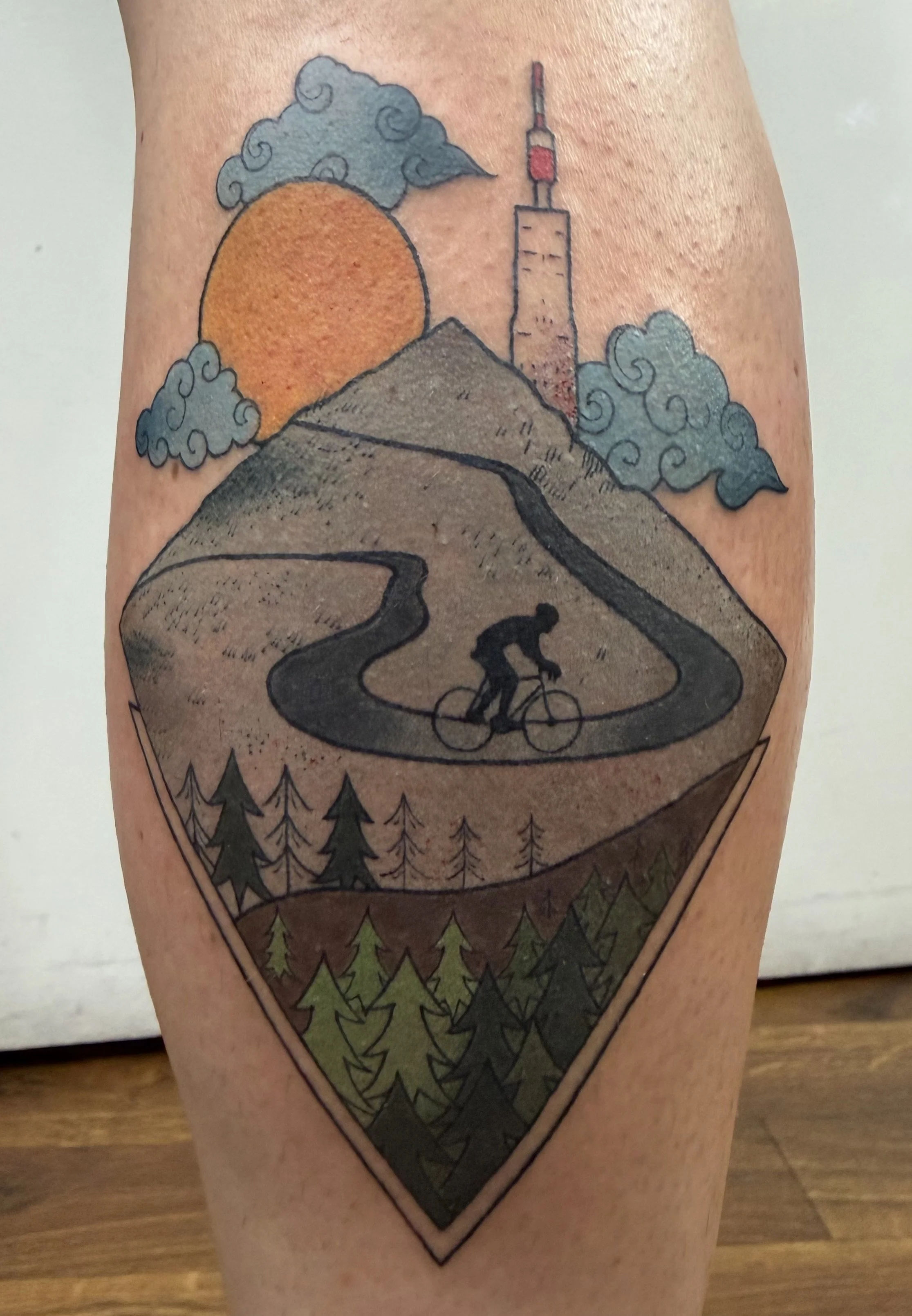
Last week I got a tattoo of a cyclist climbing Mont Ventoux. The irony? The tattoo celebrating my favourite pastime is the thing currently stopping me doing it.
As we head into the last weekend before Christmas, it got me thinking about the gap between what we want to be doing and what we find ourselves doing instead - and how we might find happiness in the constraints.
Going Back to Move Forward
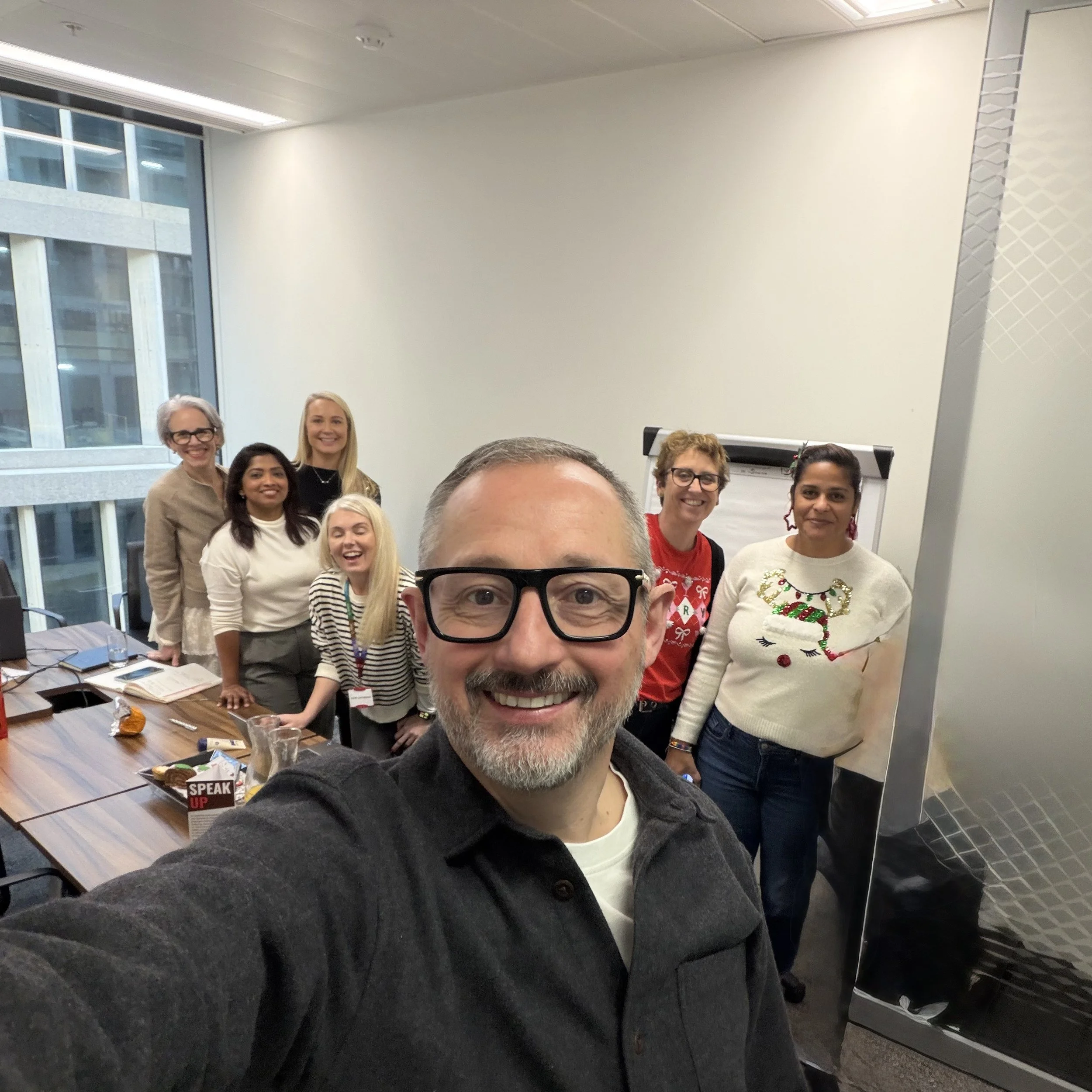
There's something unusual about going back to an organisation you've left. Yesterday I facilitated a workshop with a team I used to lead - helping them move from a group of talented individuals to something more powerful together. Here's what shifted when we created space to talk about what they felt, not just what they thought.
The Small Things That Actually Matter
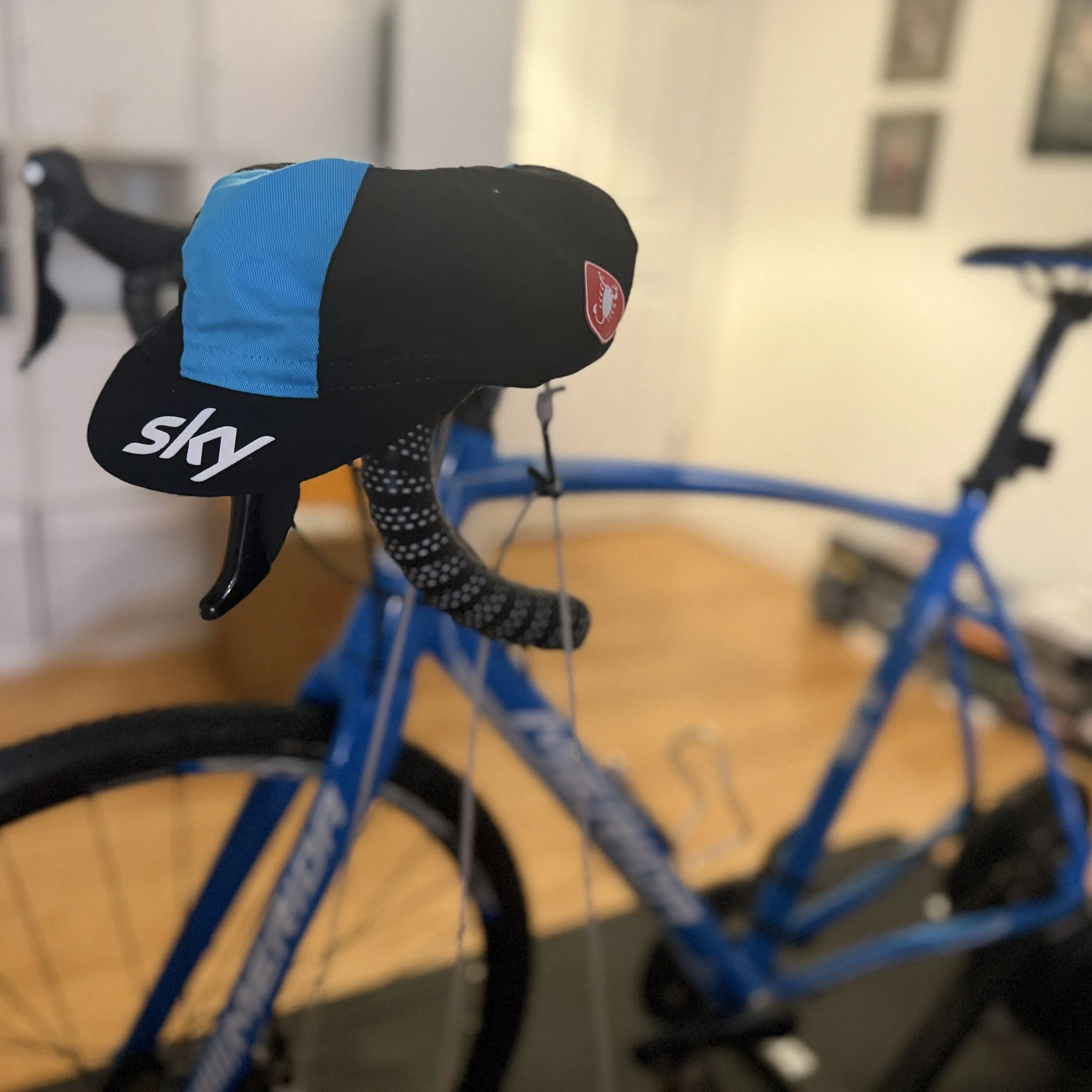
Dave Brailsford's "marginal gains" transformed British Cycling. But in leadership, we've borrowed the language without always taking the practice. The real marginal gains aren't the big strategic pivots or inspiring speeches. They're the small, unglamorous, every-single-day moments: the morning check-in with yourself, actually listening to people, asking questions that give them space to think. What are your leadership rhythms that compound into real change?
What Mont Ventoux Taught Me About Leadership…
I got a tattoo this week. Four and a half hours in the chair, and yes, it hurt. But the pain wasn't the point. The story was.
It's Mont Ventoux - the climb that nearly broke me, and the moment I understood something crucial about leadership that 25 years in corporate life never taught me.
When you're halfway up a mountain in 35-degree heat, legs screaming, lungs burning, there's no corporate theatre. Just you, the road, and a choice: keep going or quit.
If you're a senior leader right now - carrying the weight whilst everyone looks to you for clarity, navigating change you didn't ask for, expected to have answers you're still figuring out - you know exactly what that feels like.
Here's what I learned on that mountain about reading the conditions, leading from different positions, and why the strongest leaders don't climb alone. Sometimes the best leadership insights don't come from business school. They come from knowing what it takes to get to the summit.
Be kind to yourself - and others
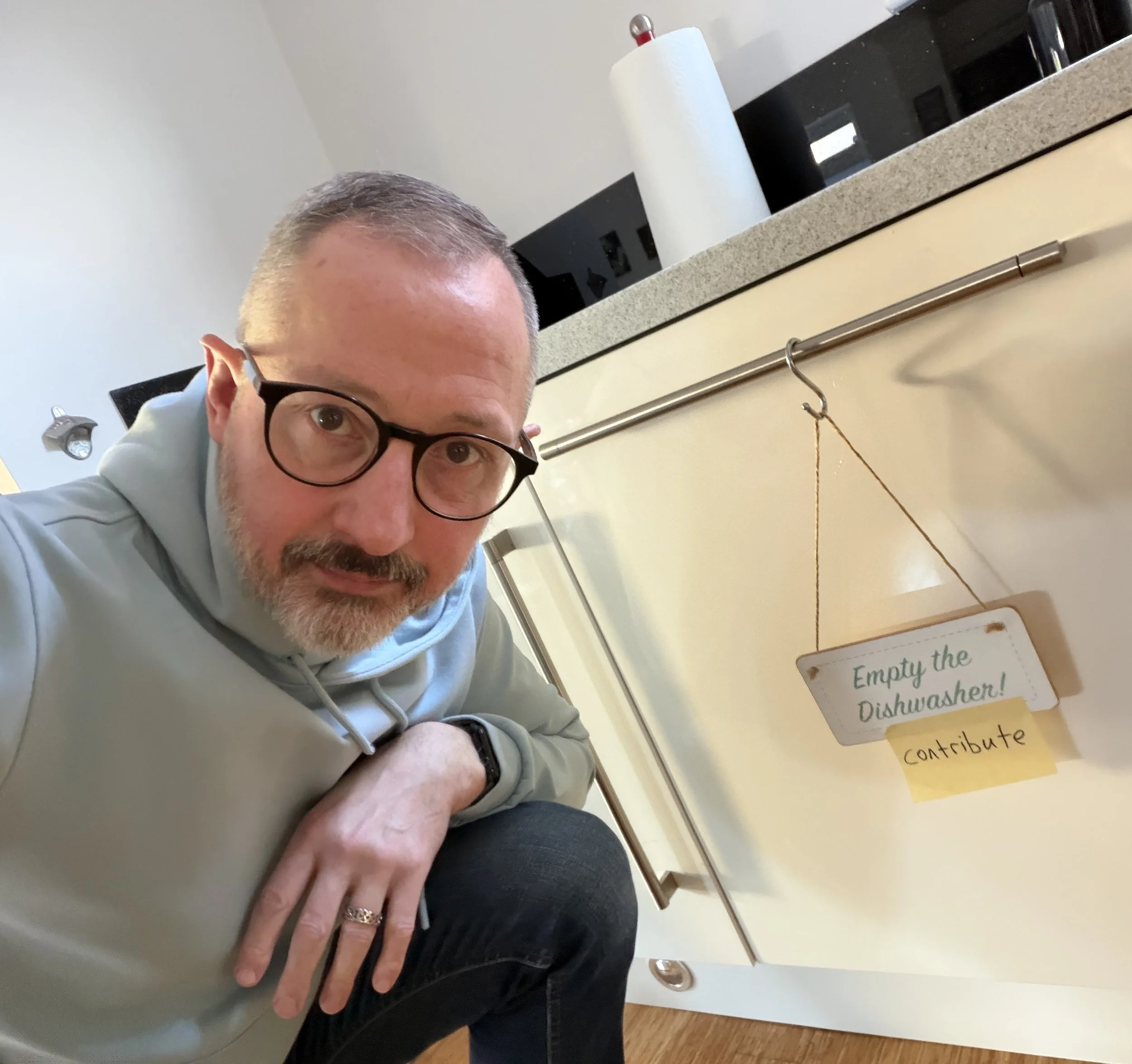
I'm kneeling by my dishwasher, pointing at a passive-aggressive note I've stuck to the door. Here I am, helping senior leaders navigate difficult conversations all day, and yet I've defaulted to post-it notes rather than an actual conversation with my adult children.
We're all a mishmash of contradictions - and that's probably fine.

Leadership Transitions: a pattern that repeats
From first-time manager to C-suite executive, leadership transitions follow remarkably similar patterns. The mindset shifts look different at each level, but the fundamental challenge remains the same: you're moving into a world where the rules you knew no longer quite apply. The question isn't whether you need support through this transition - it's what kind of support you actually need.

Helping Adults Become Better Adults
"I help adults become better adults." A phrase borrowed from Andrew Shorter at JLR that captures exactly what leadership development is really about.
Not fixing broken people - just helping us all become better at handling complexity, understanding ourselves, and leading others.
What I Wanted to Be When I Grew Up
What happens when the career you thought you'd have doesn't match the one you're living?
A personal reflection on drifting, finding home, and why the gap between who we thought we'd be and who we are might just be information we can use.

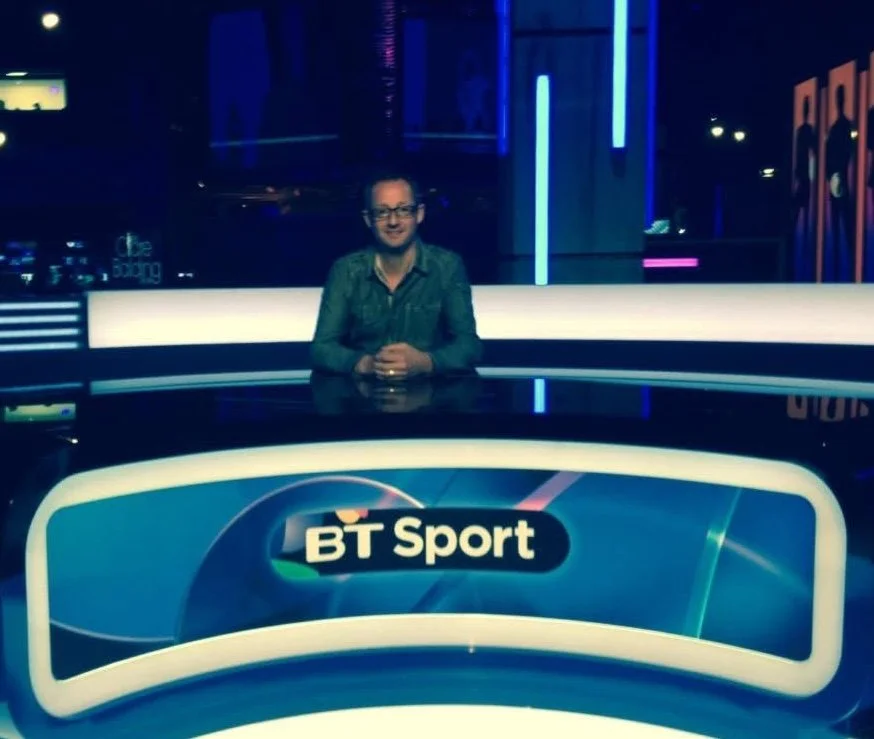
What's in a picture?
Am I happy or sad in this picture? The real answer is both. This was taken days before I left a job I loved, restructured out and no longer needed. We are complex people - we can carry sadness whilst enjoying the moment. If you're navigating your own transition and feeling torn between where you are and where you're going, let's talk about what support you need.
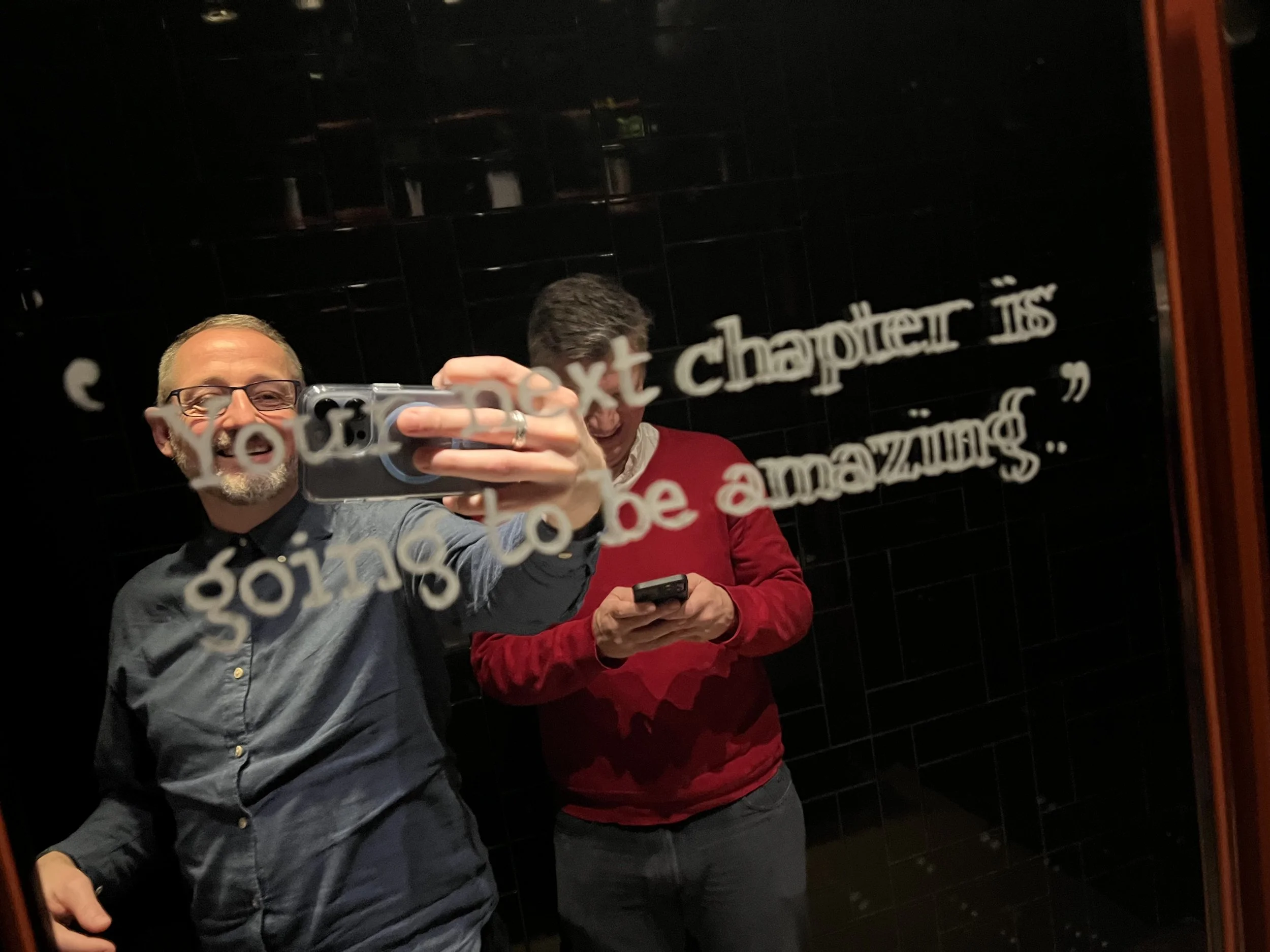
When the Person Everyone Turns to Has Nowhere to Turn
For senior leaders who are brilliant at helping others find clarity but struggling with their own next step. A reflection on the questions that helped me navigate career transition – and might help you too.
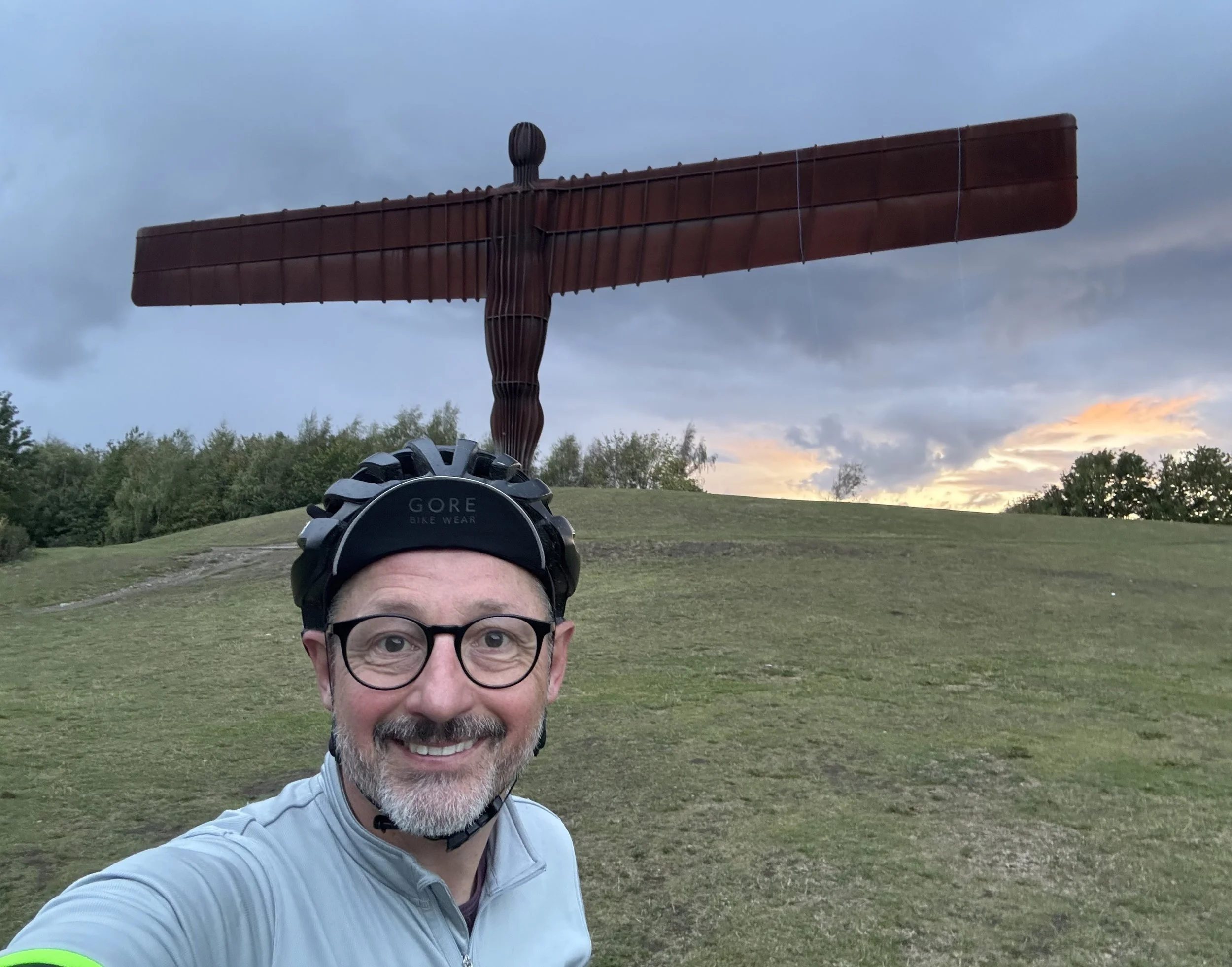
It's Really Easy to Lose Touch
Connecting with people is my thing. I often say it's my 'superpower'. But you can't force it.
After leaving my last role 11 months ago, I'm reflecting on how easy it is to lose touch with people who mattered.

The worst teams lead organisations.
The worst teams lead organisations. And then they pay consultants and coaches to sort it out. While individual executives may be brilliant, as teams they often fall short. Research identifies three recurring patterns: the Shark Tank (hyper-competitive and political), the Petting Zoo (conflict-avoidant and complacent), and Mediocrity (lacking capability and looking backwards). But there are teams that work differently - and it's not an accident.

Nothing About This Looks Right
I'm sat in the optician's chair, trying contact lenses for the first time at 51 years old, and I can't shake the feeling that something fundamental has shifted.
Not just my vision (though that's definitely different). It's deeper than that. My face comes with glasses. Has done since I was 17. They're part of who I am. Without them? I look like a stranger to myself.
But when you're cycling on busy roads and the Garmin's getting blurry, the coffee menu's unreadable, and that car or tree is just a touch too undefined - you adapt, or you risk something worse than discomfort.
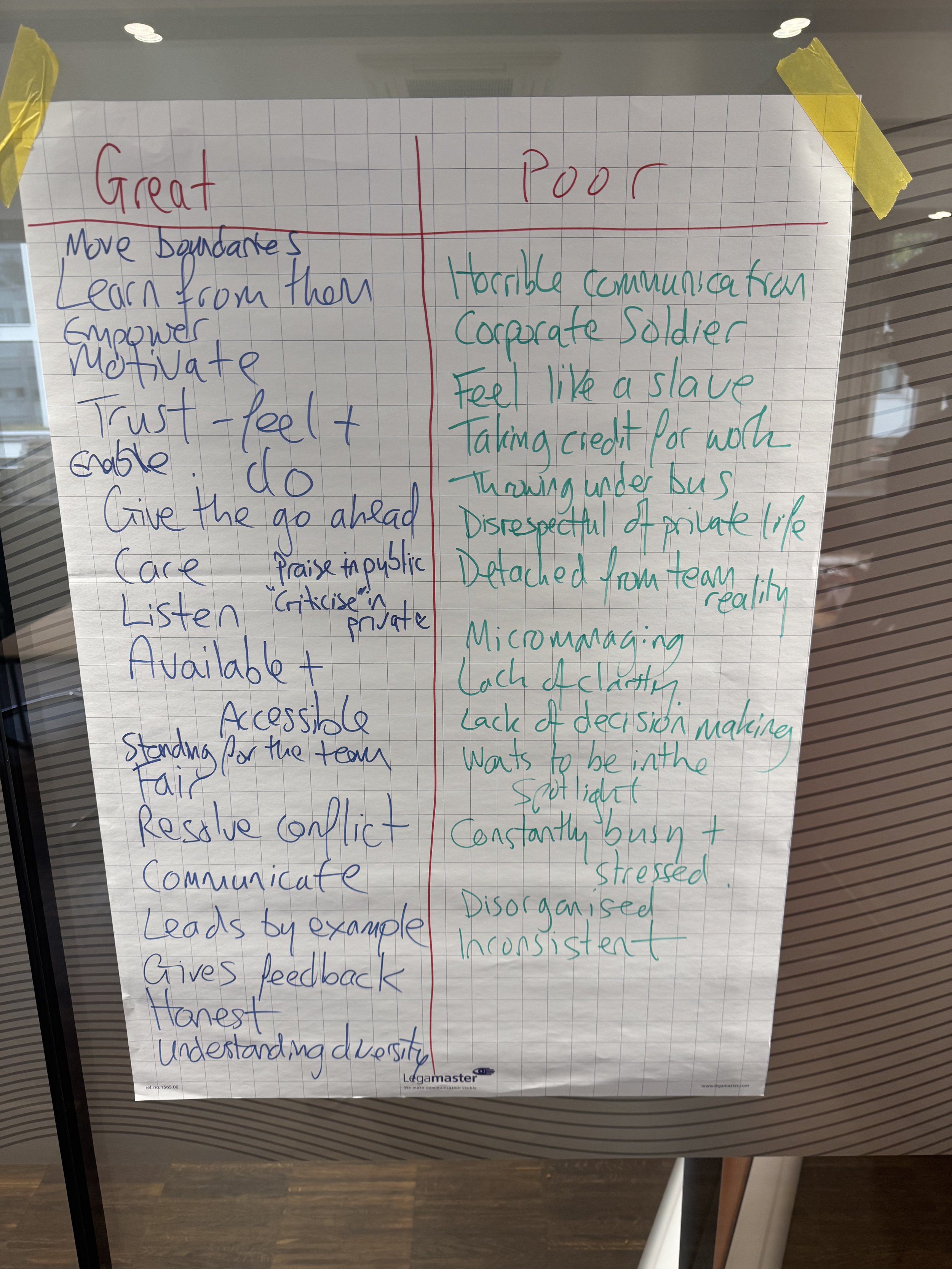
The Dark Side of Leadership
We've seen the enemy… and it is us.
A reflection on the manager behaviours we all recognise - the good ones we aspire to, and the difficult ones that emerge when we're running on empty.
What does it take to stay on the left side of that line?
People Come First
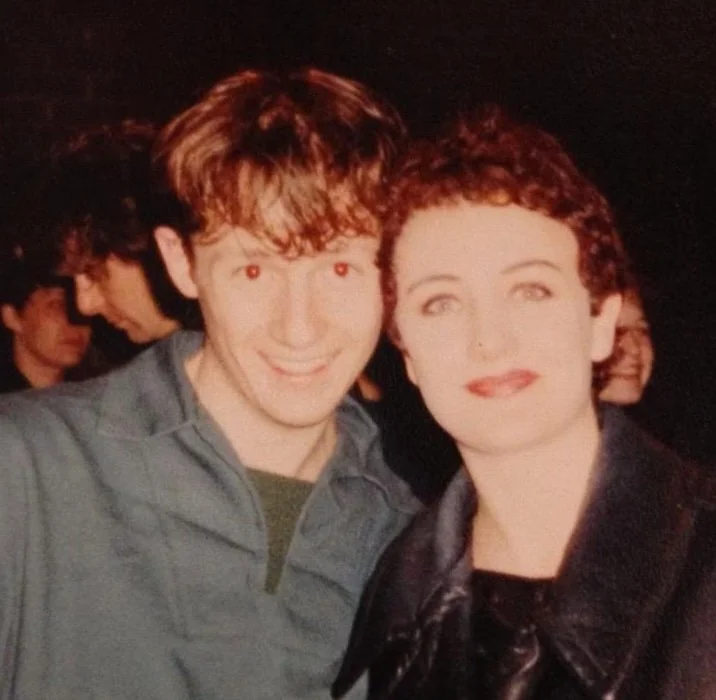
After 32 years of friendship and a weekend seeing Deacon Blue in Glasgow, I'm reminded that connection isn't indulgent - it's essential. Especially when you're the one everyone else looks to for answers.

The Courage to Stay the Course
A conversation yesterday reminded me why I left a 25-year career to start again.
Sitting in the Science Gallery under the shadow of the Shard, I was surrounded by HR professionals grappling with change. Andrew Shorter said something that cut through: "Change is unpredictable and messy."
Everyone you know at work is probably wrestling with how to define, react to, manage, communicate, or survive the change they're facing. Sound familiar?
One insight stayed with me: courageous leaders don't just initiate change – they stay the course.
December 2024, I knew I had to make a change. I was trapped. Twenty-five years of career success, but I was burned out and disconnected. So I walked away from the salary and security to reconnect with my purpose.
Now? It's slowly building, and I need courage to stay the course.
What's the change you need to make for yourself? And who's in your camp to help you through it?

What Use Am I?
"What use am I?"
That hit home. I hear you, and I am you.
My client had just said that out loud in a coaching session. We were exploring purpose – that most fundamental of topics that comes up time and time again in my leadership work. Specifically, we were unpicking the tensions between what we want to be doing and what we feel we must.
It was a powerful moment for him. Led us into an impactful discussion about what makes us happy, how we define ourselves, and the pressures we put on ourselves.
What landed differently for me was how close this conversation was to home.
Because I was there. Not that long ago. Sitting at my desk thinking the exact same thing. Have I hit my level of incompetence? I can't go on like this, but I don't know what the alternative is. People rely on me. I can't let them down.
If you're carrying that question right now, here's what I learned about finding purpose when you're stuck...
Finding Your Way Back
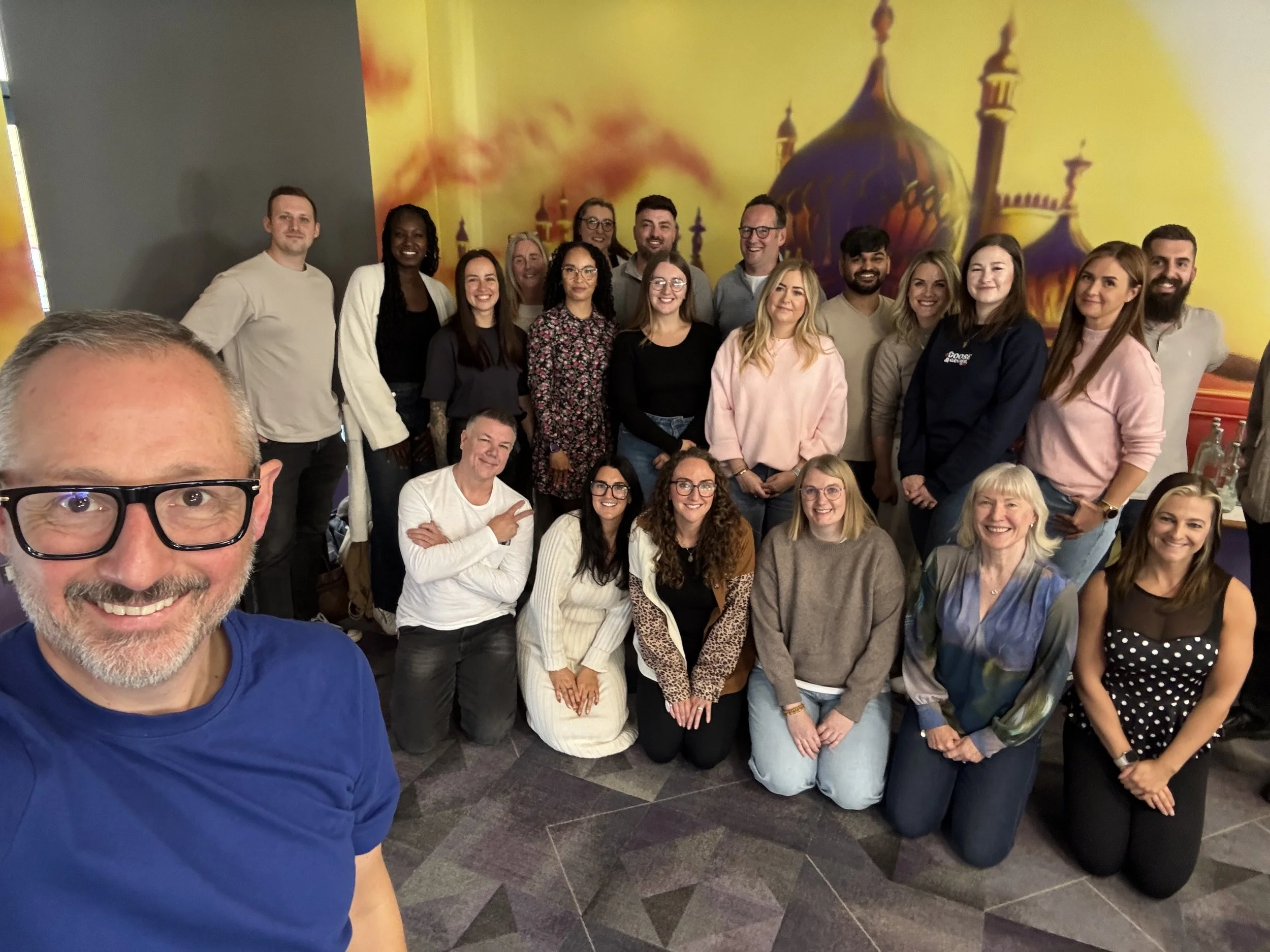
Yesterday, I returned to facilitate a team session at a company I'd left 2.5 years ago. They'd changed, I'd changed, but what struck me was how this team had created something rare - a space where people could be themselves completely and deliver brilliantly through their unique strengths. It got me reflecting on my own journey back from some of the lowest points in my career, and what I've learned about taking ownership when you're feeling stuck.

When It's Not About You
As senior leaders, we're used to being the go-to person when things go wrong. But sometimes that weight on your chest isn't caused by anything you've done wrong.
Here's what I learned about when to stop blaming yourself for outcomes beyond your control.

What Happens When You Stop to Ask Why?
A lot gets written about purpose these days. It's one of those words we throw around without really thinking about what it means. But when I was asked "why I set up on my own" this year, it made me dig deeper than expected. Here's what I learned when I stopped giving the polished elevator pitch and started being honest about the journey - from running away from corporate games to finding a purpose that bridges personal authenticity with genuine service to others who feel stuck.