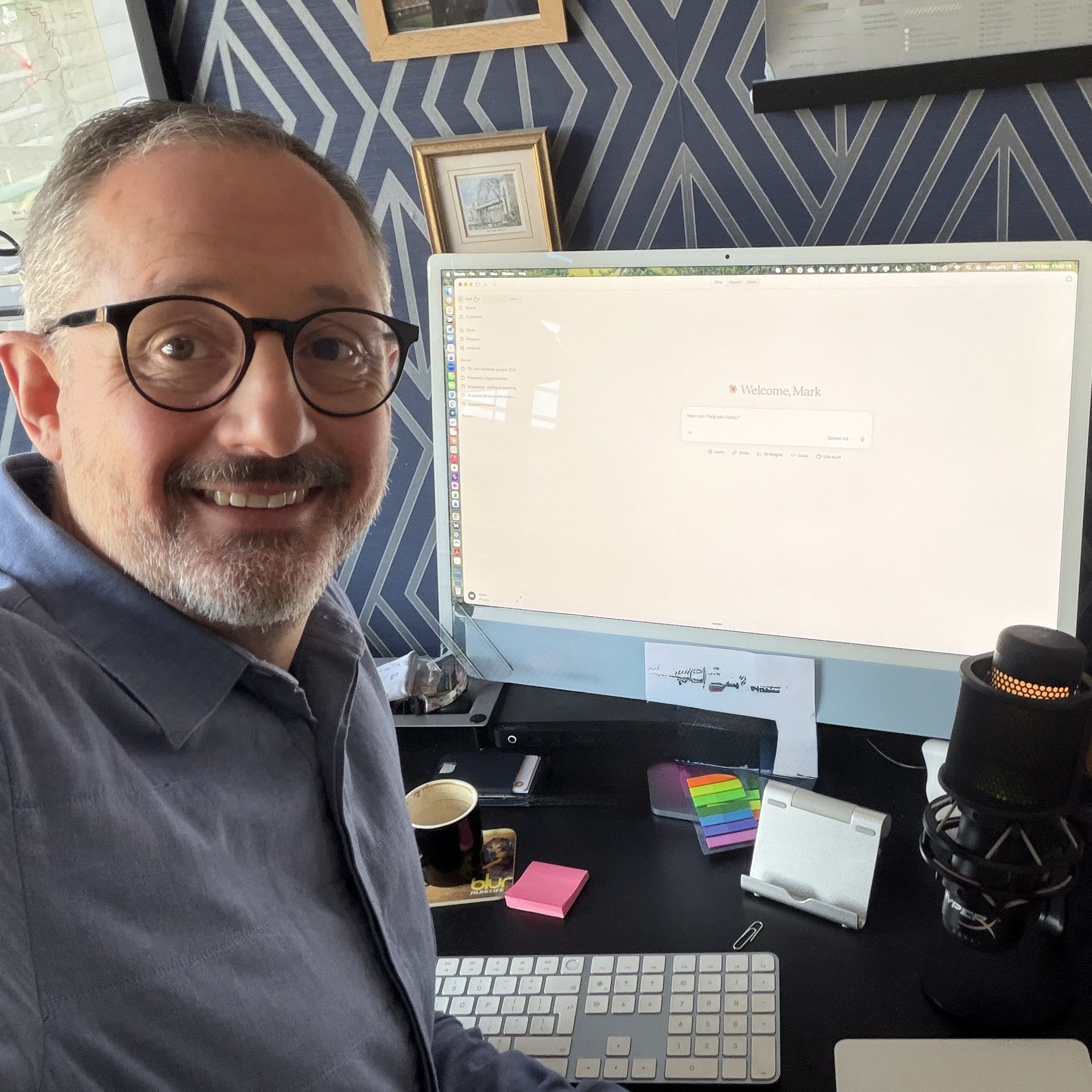
Five Ways to Lead Better with AI
AI isn't just an efficiency tool.
In the second article in the Closing the Leadership AI Gap series, Mark explores five specific roles AI can play in making you a better leader — with some honest personal examples along the way.

My Stable & Sustainable Partner
AI can theoretically support 91% of what leaders do. Most aren't using it.
This is the first in a series exploring the gap between what's possible and what's actually happening — and what senior leaders can do about it.
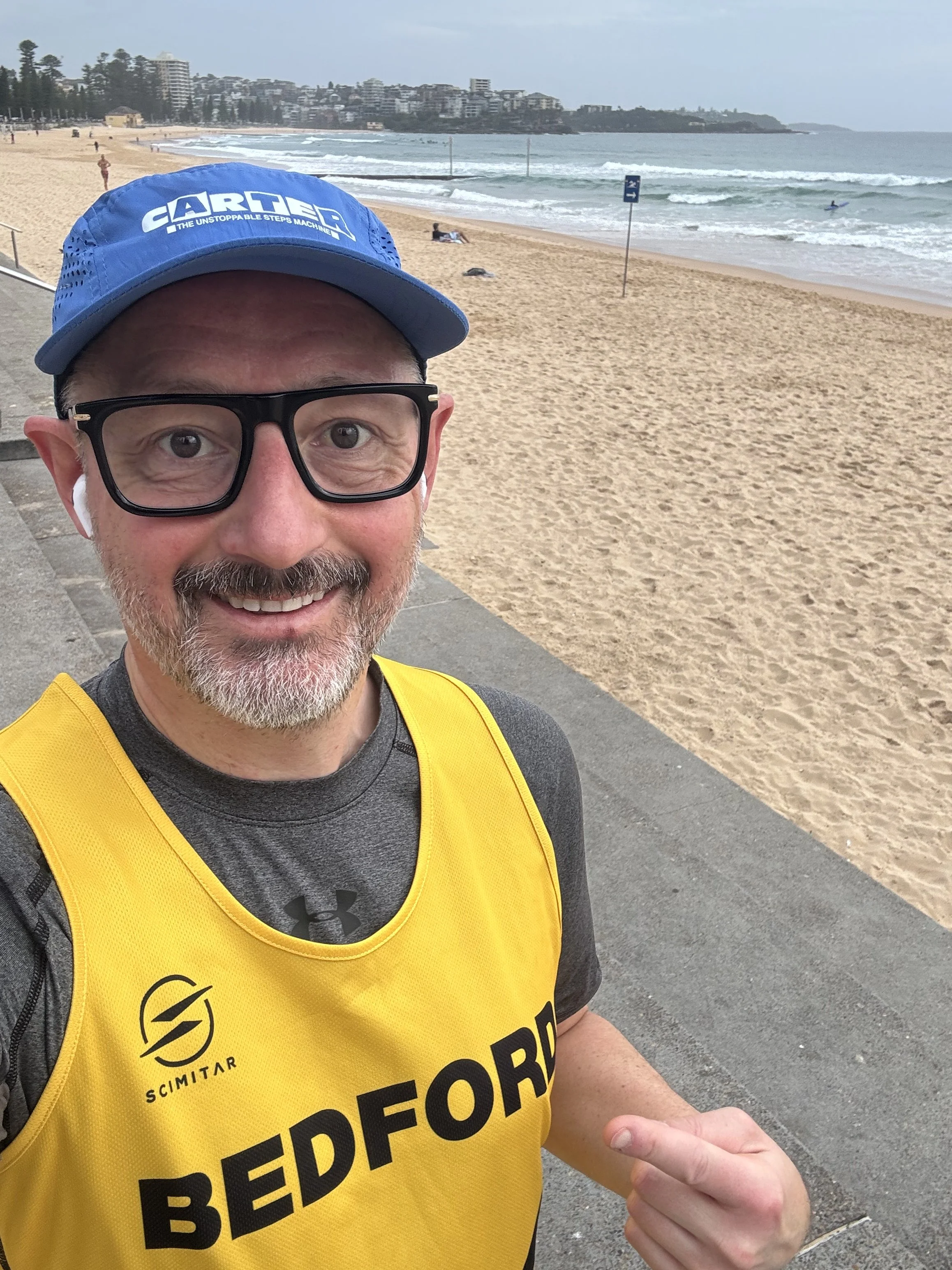
The Promotion Trap
Promoting your best person doesn't automatically make them your best manager. The skills are different, the aptitude distinctive, and the motivations often completely altered.
Here's what most organisations get wrong, and what the good ones do differently.
When the formation breaks down
Feeling like you're pedalling hard but going nowhere? It might not be you. It might be the formation.
Mark Taggart reflects on working in a founder-centric business and what it taught him about sustainable leadership.

What happens if there is a fire?
There's one in every room. The one who arrives late, checks their phone, and asks the question designed to derail the whole session. But buried inside that question is one of the most useful lessons I know about leadership.
Talent Strategy is a Leadership Problem
Talent Strategy was my job for years. It took stepping away from corporate life to realise I was the wrong person to be doing it - not because I wasn't capable, but because talent strategy isn't an HR problem. It's a leadership one.
Being a leader, or doing leadership?
Every leadership expert tells you something different about who you're supposed to be. Be vulnerable but confident. Listen but direct. The contradiction is exhausting. What if the real work isn't performing leadership - it's practising it?

When Crosswinds Hit
Even the best teams fall apart when unexpected hits.
Drawing from a personal redundancy experience and the cycling concept of echelons, this post explores how leaders can navigate organisational crosswinds by building the right formation rather than trying to muscle through change alone.
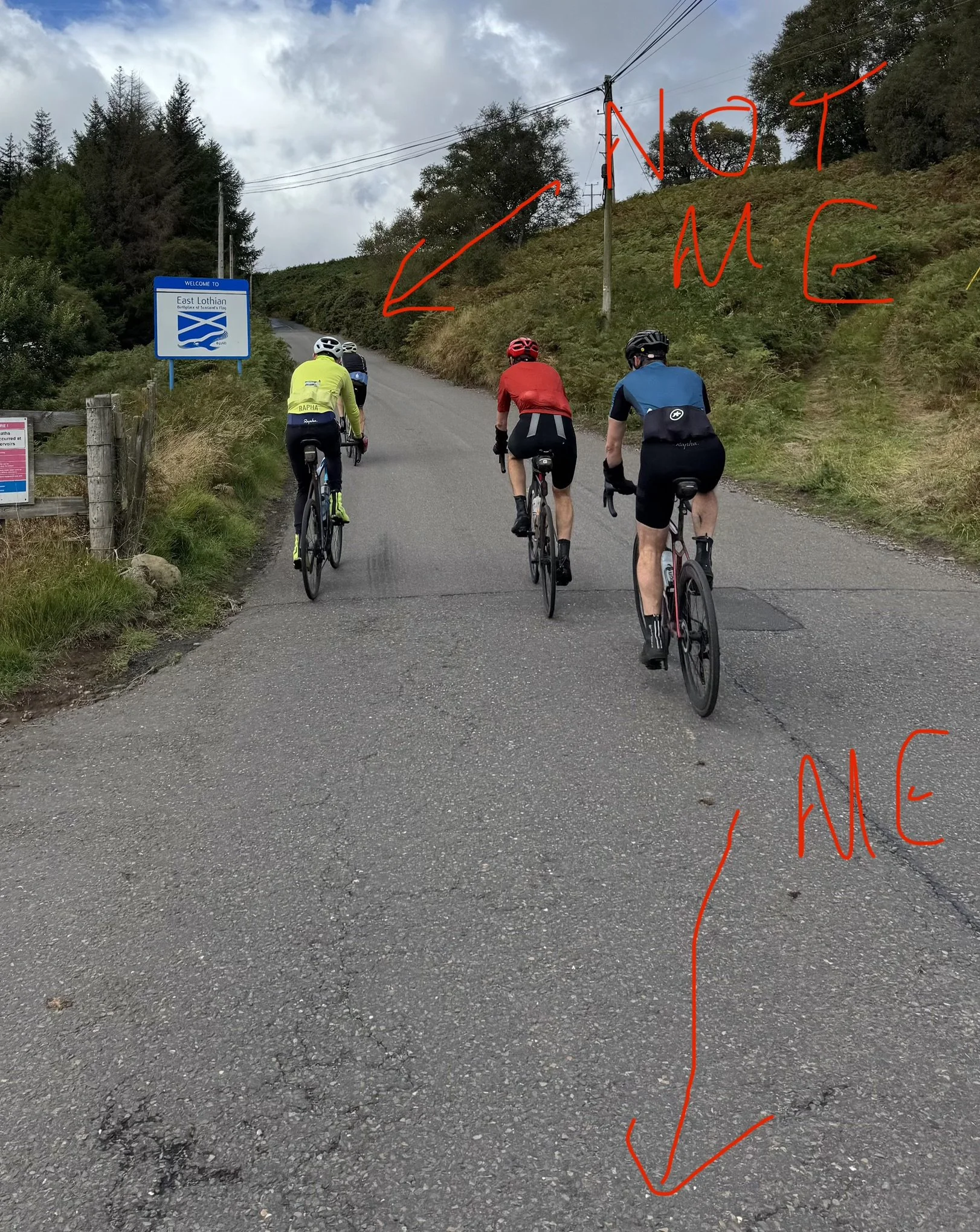
The Breakaway
A mid-week ride, an unexpected challenge, and a lesson about what happens when you stop choosing the comfortable group. Part of the Lessons from the Peloton series.

The Confidence Gap
There's a particular kind of loneliness that comes with being the person everyone turns to for answers. You've built a career on competence. And yet something has shifted. The confidence that once felt like a given now feels fragile.
If this resonates, I want you to know something: losing confidence is not weakness. It's a signal.

Sometimes They Just Need You to Listen
"Thank you. I just needed to be listened to."
A reminder that sometimes the most powerful thing a leader can do is put the toolkit down.
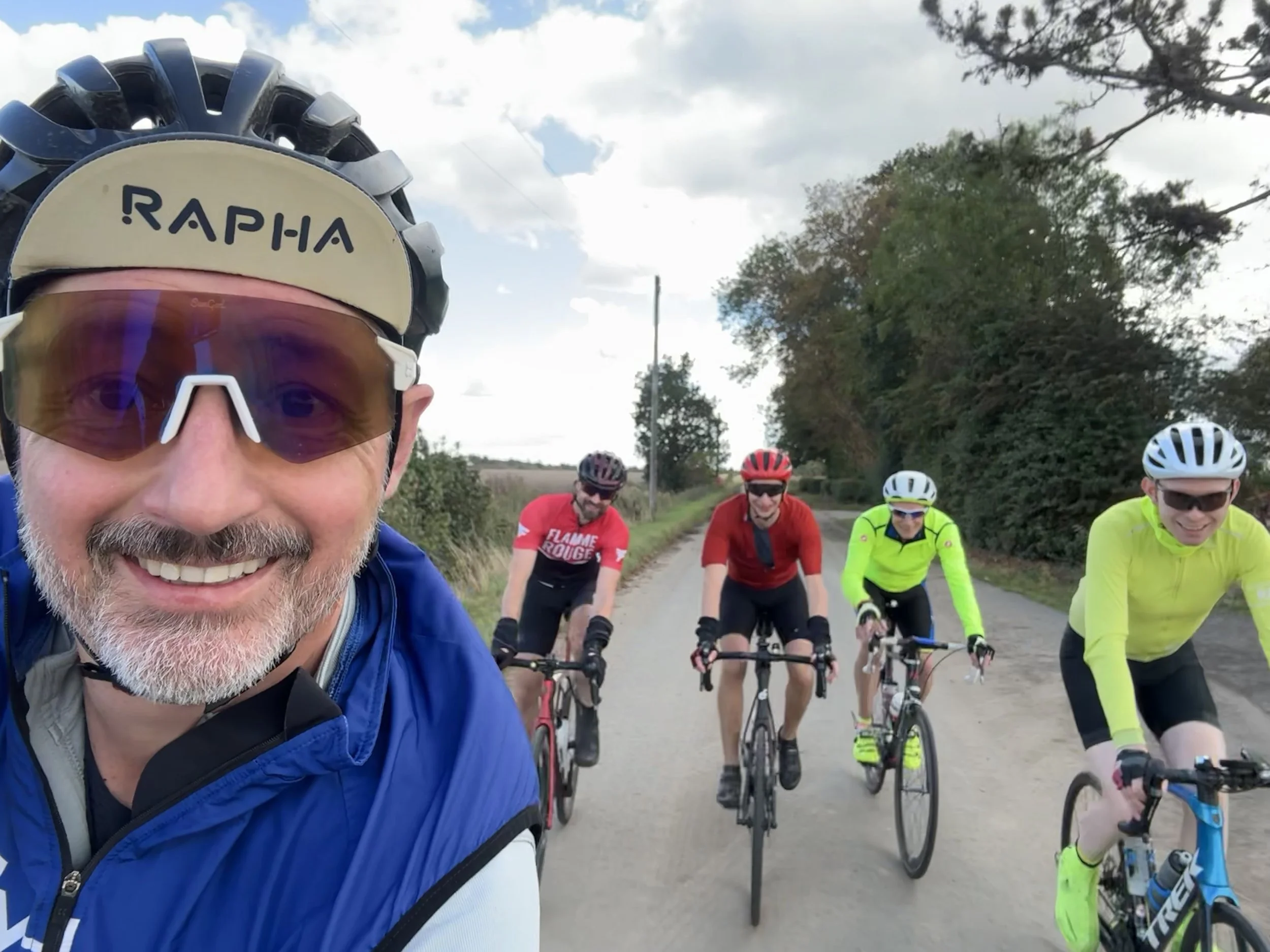
Stop Performing Leadership
The best thing I ever did for my team was accept it wasn't about me. I had to stop performing leadership and start actually leading. Here's what professional cycling teaches us about building teams with clear purpose, complementary skills, and genuine clarity about what matters.
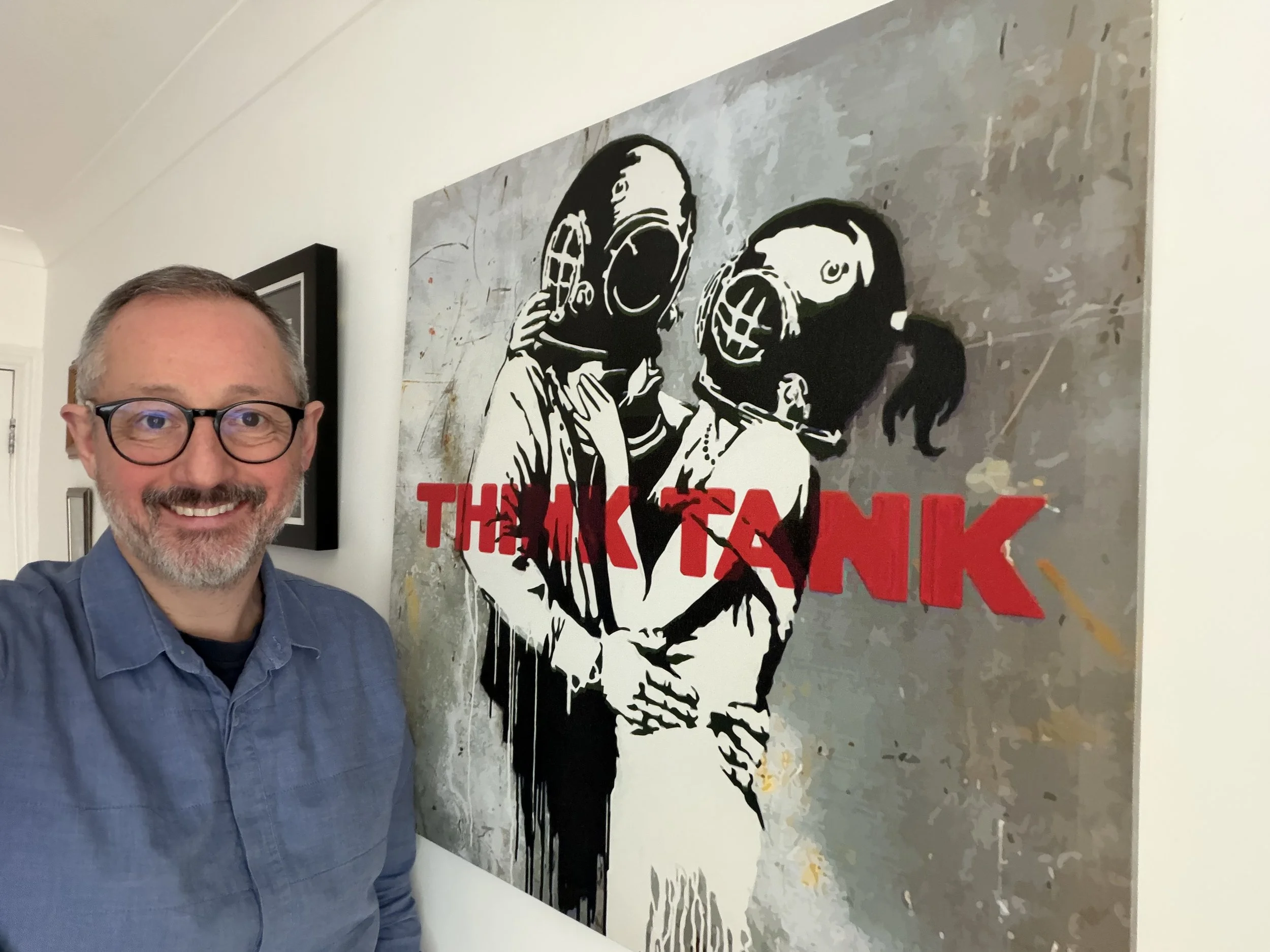
Stop the Noise: Why Leaders Need a Think Tank
"Stop the noise. I need space to think."
This came up in a client session last week. He arrived overwhelmed with ideas, concerns, problems, opportunities. When that happens, it's my job to create a Think Tank - the space where leaders can untangle what's really going on beneath the urgent.
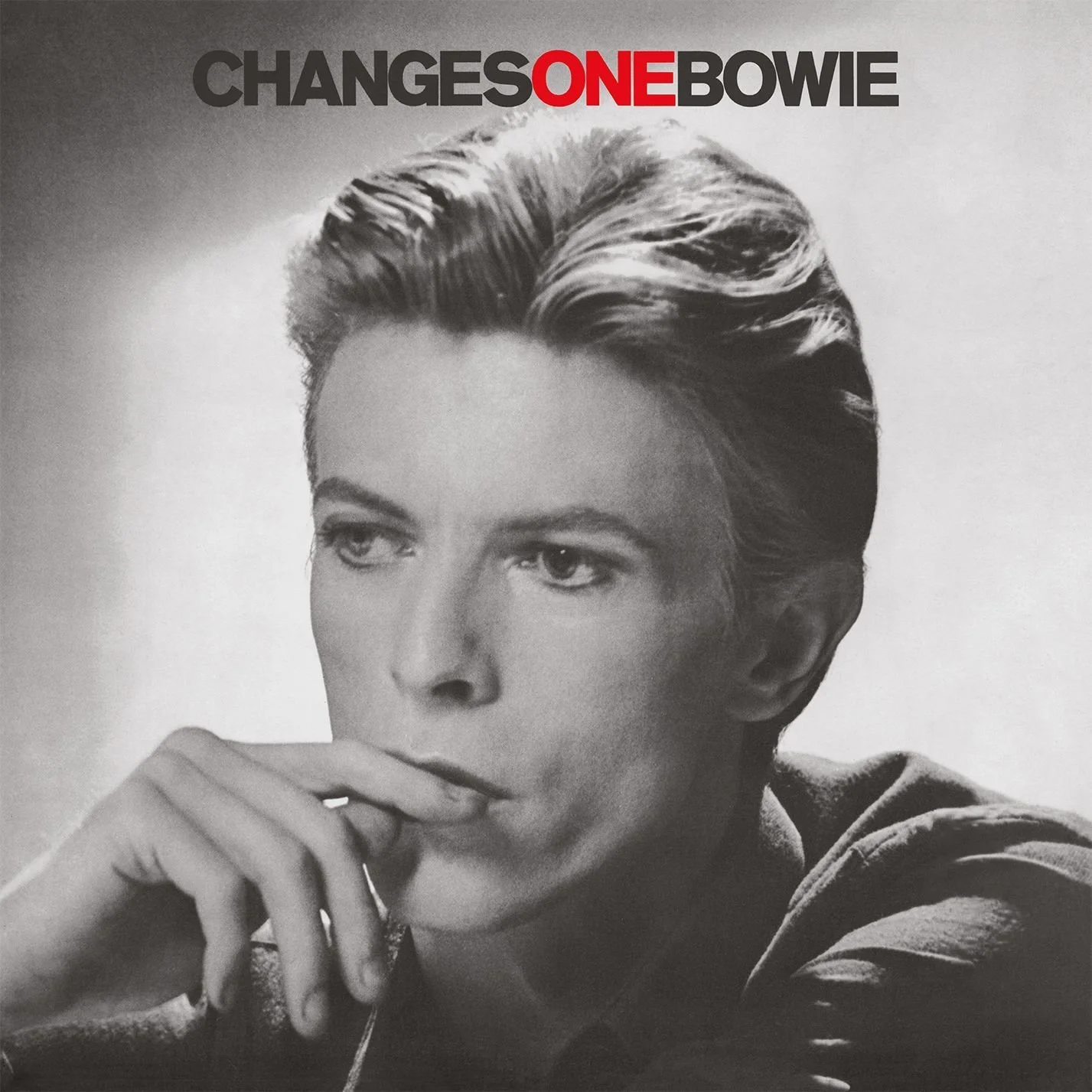
Turn and Face the Strange
Why did Bowie and Prince resonate so much at age 12?
Because they showed me that reinvention isn't about abandoning who you are - it's about allowing yourself to evolve into who you're becoming.
The same principle applies to leadership transitions.

Instructions not Included
Over Christmas, I got a model bicycle as a table gift. I was genuinely excited until I opened it and found dozens of pieces with no instructions. What I needed wasn't coaching - it was clear instruction. But that's not always what's needed. Here's how to know the difference.

What Drives Progress? People or Technology?
Eddie Merckx versus Tadej Pogačar. The numbers say 18% improvement. The reality? Only 2% once you account for technology. For leaders obsessing over AI, the lesson is clear: connection beats tools every time.

Three Questions Worth Asking
It's a cold January morning, and I'm reflecting on my first full year focused on Taggart People.
Three simple questions from the world of cycling have me thinking about what 2025 taught me, what I'm after in 2026, and how I'll get there. What are you carrying forward into the new year?
Going Back to Move Forward
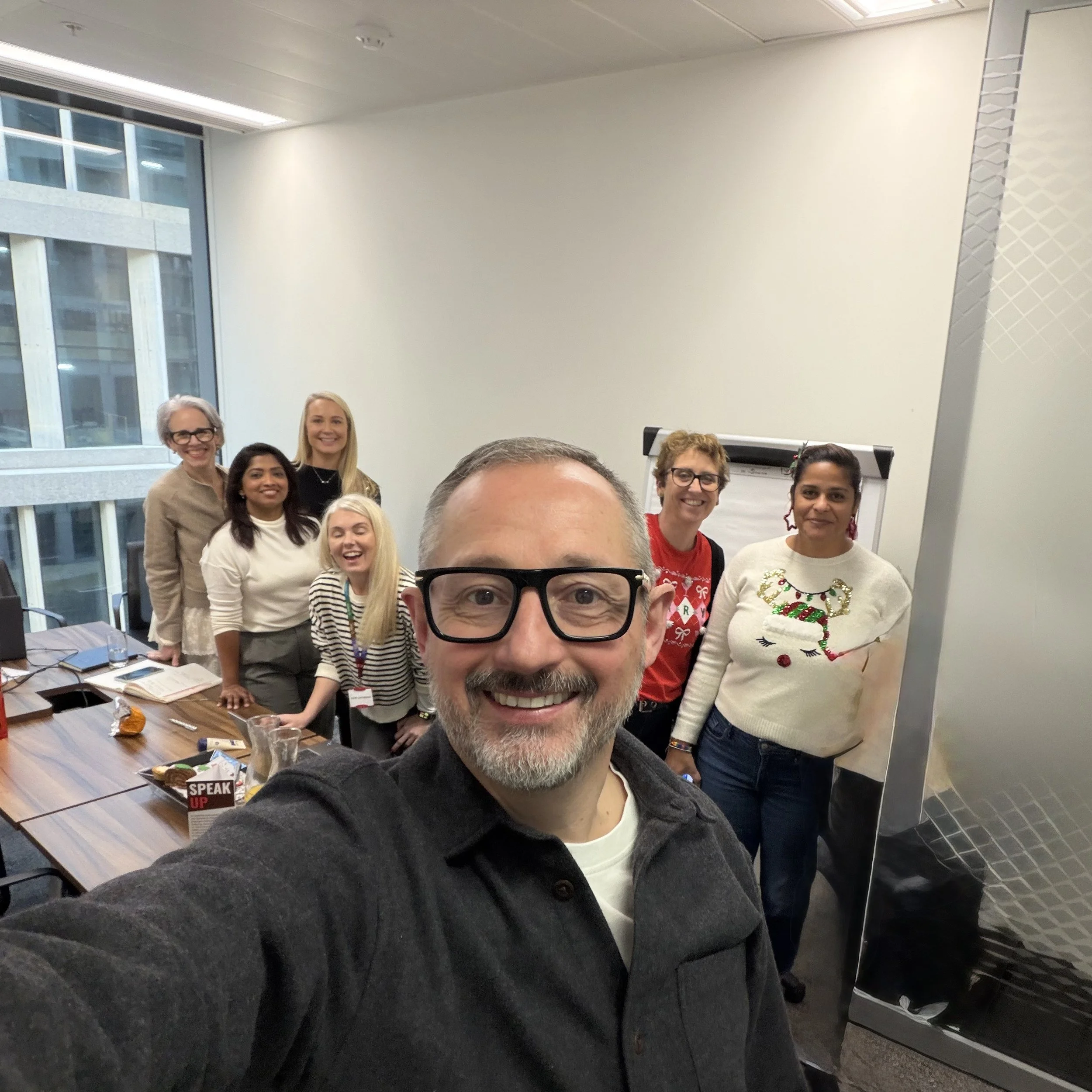
There's something unusual about going back to an organisation you've left. Yesterday I facilitated a workshop with a team I used to lead - helping them move from a group of talented individuals to something more powerful together. Here's what shifted when we created space to talk about what they felt, not just what they thought.

Helping Adults Become Better Adults
"I help adults become better adults." A phrase borrowed from Andrew Shorter at JLR that captures exactly what leadership development is really about.
Not fixing broken people - just helping us all become better at handling complexity, understanding ourselves, and leading others.

The worst teams lead organisations.
The worst teams lead organisations. And then they pay consultants and coaches to sort it out. While individual executives may be brilliant, as teams they often fall short. Research identifies three recurring patterns: the Shark Tank (hyper-competitive and political), the Petting Zoo (conflict-avoidant and complacent), and Mediocrity (lacking capability and looking backwards). But there are teams that work differently - and it's not an accident.